
Build a Bee House: A Guide for Young Scientists


Intro
Building a bee house can be an exciting project, especially for young scientists eager to engage with nature. This comprehensive guide aims to make the process fun and informative while enlightening the reader about the vital role bees play in our ecosystem.
Many folks might not know that solitary bees, which are different from honeybees, are crucial for pollination. While honeybees live in colonies, solitary bees operate independently. By creating a bee house, you offer these unsung heroes a safe and inviting space to thrive. Not only will you be helping the environment, you'll also gain valuable insights into the life cycle and habitat needs of these fascinating insects.
As we dive deeper into the construction process, expect to find a mix of science fun facts, step-by-step instructions, and even interactive quizzes to solidify your understanding. Together, let's explore the world of bees and learn how simple actions can lead to big impacts.
Science Fun Facts
Interesting Trivia and Facts
Did you know that there are over 20,000 known species of bees? Among these, nearly 4,000 species are solitary bees! They come in various shapes and sizes, each playing a unique role in the environment. For example, the mason bee is well-known for its ability to build intricate nests using mud.
- Solitary bees are excellent pollinators, often more effective than honeybees.
- The majority of bee species do not sting. In fact, many are quite harmless to humans.
- Bees can recognize human faces, a skill comparable to that of dogs!
Quirky Science Stories
One time, researchers observed a colony of bees that managed to learn how to open simple latches to access sugar water. Imagine that! These clever critters were experimenting with their environment and showing intelligence in ways we had never fully understood.
Amazing Science Records
Have you heard about the fastest bee? The world record for the fastest bee is held by the Honeybee, which can flying at speeds up to 15 miles per hour. Remarkably swift for such tiny creatures!
Thought-Provoking Questions
- What can we do in our own yards to help support the bee population?
- How do solitary bees differ from social bees in their nesting habits?
- Can urban environments provide suitable habitats for bees?
Discover the Wonders of Science
Exploring Various Scientific Concepts
Understanding the life of bees invites you to learn without borders. From pollination and plant reproduction to biodiversity and ecosystems, science unfolds like a colorful tapestry woven from many threads. A bee house is one thread in this tapestry, connecting young minds to environmental stewardship.
Educational Videos and Animations
Videos can transform abstract concepts into relatable visuals. For instance, check out bee conservation efforts on platforms like YouTube. There are numerous channels dedicated to wildlife education.
Interactive Learning Tools
Websites like PBS Kids offer interactive tools where children can engage with bees and other pollinators through games and simulations. These tools can reinforce what they learn from this guide.
Real-Life Applications of Science
Constructing a bee house isn’t just an educational activity; it’s a real-life application of scientific principles in action. When kids understand the importance of bees, they become advocates for conservation.
Science Quiz Time
Interactive Quizzes
How about a little quiz to see what you learned? Here’s a simple one to get you thinking:
- What percentage of the world’s crops depend on pollination?
A) 30%
B) 50%
C) 75%
D) 90%
Multiple Choice Questions
- Which bee is known for pollination?
- A) Wasp
- B) Bumblebee
- C) Fly
- D) None of the above
Brain Teasers and Puzzles
Create a crossword puzzle with terms related to bees, such as "nectar," "pollination," and "apiary." This can be a fun activity to encourage collaboration among young scientists.
Learning Through Gamification
Consider integrating gamification into your learning process. By turning bee house construction into a game, children can enjoy every step while absorbing important concepts of the ecosystem.
Science Experiment Showcase
Fun and Engaging Experiments
Building a bee house can be a much more hands-on project. To engage with nature, let’s perform a simple experiment on planting flowers that attract bees. Choose native plants for your area, as they are typically the best for local pollinators.
Step-by-Step Instructions
- Select your location: Choose a sunny spot in your yard or garden where bees feel at home.
- Gather materials: You’ll need seeds, soil, and a watering can.
- Plant: Follow instructions on seed packets for the best results.
- Observe: Watch for bees and record your observations.
Materials List
- Seeds of native bee-friendly flowers
- Potting soil
- Watering can
Safety Tips and Precautions
Always wash your hands after working with soil and plants. If allergic, stay cautious around bees while planting.
Building a bee house isn't just a project; it's an opportunity to dive into science, engage with nature, and think critically about our environment. Let's get started building a brighter future for our buzzing friends!
Understanding Bees and Their Habitat
The study of bees and their living conditions is not just for the science buff in your family; it's a doorway into understanding our environment and the web of life that buzzes around us. Bees are crucial players in the ecosystem, and delving into their world can unveil connections that impact our own lives.
The Importance of Bees
The Role of Pollinators in Ecosystems
Pollinators, and particularly bees, serve as the backbone for many ecosystems. Without them, plant reproduction would plummet, throwing a wrench into the makings of our food chains. Think of it this way: if bees did not pollinate, flowers wouldn’t give rise to fruits or nuts, which are deliciously vital for many animals—us included! The benefit here is crystal clear; having healthy bee populations stimulates biodiversity, which in turn supports varied wildlife.
"Bees are not just flying insects; they are life's needed connectors."
How Bees Contribute to Food Production
The contribution of bees to food production is another reason they deserve our attention. Roughly one-third of the food we eat relies on these industrious pollinators. Fruits like blueberries, apples, and avocados depend heavily on their services. Imagine a world without juicy strawberries or creamy almond butter; it's a pretty bleak thought! Overall, understanding this aspect pushes for a more food-secure future.
Types of Bees
Solitary Bees vs. Social Bees
When we talk about bees, there are two main categories: solitary bees and social bees. Solitary bees, as their name suggests, prefer to live alone and often don’t produce honey. Comprising species like mason bees and leafcutter bees, solitary bees can be excellent pollinators, working on their own schedules. On the other hand, social bees—including honeybees and bumblebees—thrive in colonies, cooperating for the good of the hive. Understanding these two types can help in recognizing which ones might benefit from the bee house we are about to build. In the end, both types serve a vital role; their characteristics are different, but the benefits they offer are equally invaluable.
Common Species of Solitary Bees
Some common solitary bees include the Blue Mason Bee and the Leafcutter Bee. These little giants are often overlooked but are remarkable in their abilities. For instance, Blue Mason Bees are important for early spring blooms, since they’re among the first to emerge from hibernation and start pollinating flowers. Focusing on these species provides a fuller picture of how we can support diverse bee populations through thoughtful nesting sites.
Ideal Habitats for Bees
Nesting Preferences of Solitary Bees
Solitary bees have specific nesting preferences, often favoring materials like wood, hollow stems, or even mud. This aspect is crucial when constructing our bee house—understanding that these preferences can shape how effective the habitat will be for nesting bees. If the right materials and structures aren’t provided, you could end up with an empty house! Overall, awareness of their nesting habits guides us to create an optimal space that invites them in.
The Importance of Native Plants
Providing native plants is essential for attracting bees. These plants are already adapted to local conditions and are more likely to thrive, making them more nutritious and accessible for the bees. Moreover, native plants help sustain the bee populations by providing food resources throughout the growing season. So, when we design a bee house and garden, considering native plants not only beautifies the area but also ensures the survival of local bee species.
Designing the Bee House
Designing a bee house is not merely about putting together some wood and tubes; it's an opportunity to create a sanctuary for solitary bees. A well-thought-out design can encourage these little pollinators to take residence, further enhancing your garden or yard. Whether you're a budding scientist or a curious parent, understanding the elements of design can make all the difference. This section will explore the critical aspects of choosing a location, selecting materials, and innovating designs that invite bees in.
Choosing the Right Location
Sunlight and Shelter Considerations
When it comes to the perfect spot for your bee house, sunlight plays a vital role. Bees, especially solitary ones like mason bees, prefer a sun-drenched area where they can warm up in the morning. A south-facing position usually does the trick. However, too much sun can dry out the nesting sites. Striking a balance is the key—consider spots that get morning sunlight but have some afternoon shade. Additionally, shelter from the wind is equally important; you want to make sure your bee house isn’t swaying in the breeze. This combination contributes positively to bee activity, creating a safe, warm, and inviting environment.
Distance from Human Activity
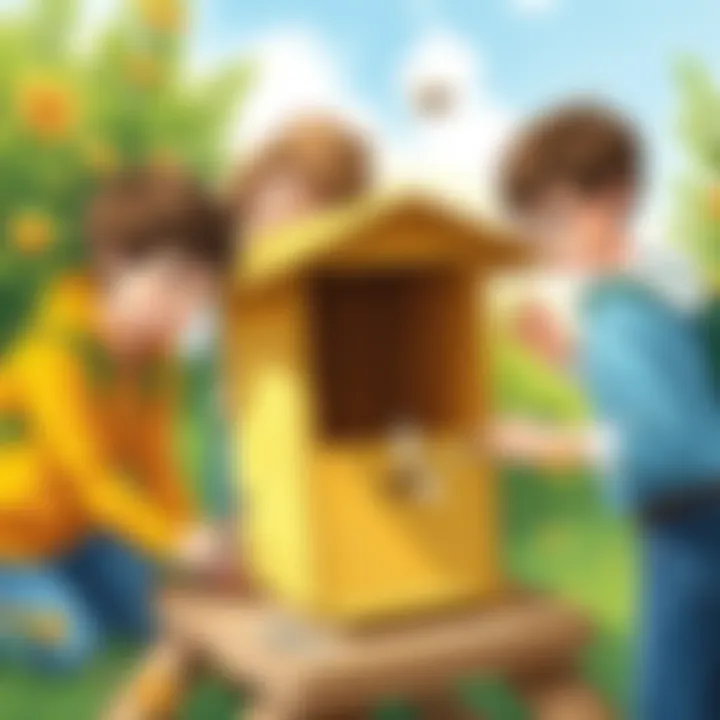
Location isn't just about optimal sun exposure; it’s also about keeping bees at a safe distance from human activities. Busy areas with lots of foot traffic can be stressful for bees. They thrive in more serene environments where they can buzz about without concern. Ideally, placing your bee house at least ten to twenty feet away from high-traffic zones allows bees to feel secure. This distance minimizes disturbances that could push them to abandon their new home.
Materials Needed
Natural vs. Synthetic Materials
Now, onto the materials. Natural materials, like untreated wood, tend to be the favored choice among bee enthusiasts. They not only blend seamlessly with the environment but also provide the bees with a more chemical-free habitat. Synthetic materials, on the other hand, often come with chemicals that can deter bees. While they might last longer, the trade-off is not worth it for the wellbeing of the beneficial insects you want to attract. So, materials like bamboo or hollow reeds can be your best friend when crafting durable yet safe nesting sites for bees.
Recycled Options for Eco-Friendliness
In a world grappling with waste, why not consider recycled materials? Not only does this option promote environmental sustainability, but it also provides a unique touch to your bee house. Old wood, discarded ceramic pots, or even upcycled tin cans can serve as excellent nesting spaces. Each reclaimed material tells a story, adding character to the bee house. However, make sure these items are free from rot and chemicals. This way, you’re not only doing good for the environment but also providing a safe haven for bees.
Bee House Design Ideas
Basic Structure and Dimensions
Creating a bee house doesn’t have to be complex. A basic structure typically consists of a wooden box filled with drilled holes of varying diameters. These holes should ideally range from around 4 to 10 millimeters to cater to different bee species. The dimensions of the house itself can vary, but a good starting point is roughly 10x10x20 inches. This provides ample space for various types of nesting tubes while keeping everything compact and easy to maintain.
Creative Additions for Enhanced Attraction
Once the basic structure is in place, why stop there? Adding creative elements can significantly enhance the attractiveness of your bee house. For instance, integrating a colorful roof can make it visually appealing. You might also include a small water source near the bee house or plant fragrant flowers nearby to entice bees. These enhancements not only draw in bees but also enrich the overall environment of your garden. Unique features, like mini gardens or native plant arrangements, can turn your bee house into a buzzing hub of activity.
In summary, the process of designing a bee house involves thoughtful consideration of location, materials, and structure. By paying attention to these details, you create a welcoming haven that supports your local bee population and enriches the biodiversity of your backyard or garden.
Building Your Bee House
Creating a bee house serves not just as a structure for bees to nest in, but it also plays a pivotal role in enhancing local ecosystems. Building one is like opening a door to countless educational opportunities, especially for young scientists curious about the environment. A well-crafted bee house can provide solitary bees, such as mason bees and leafcutter bees, with much-needed shelter and a haven to reproduce. These bees are often overlooked but are fundamental pollinators. By learning how to build a bee house, children can engage hands-on with the process of conservation, taking an active role in supporting the dwindling bee populations.
Step-by-Step Assembly
Building a bee house is an engaging project that encourages creativity and technical skills alike. Taking it step-by-step ensures success while also making the process less daunting.
Preparing and Cutting Materials
The first step in the construction process is preparing and cutting materials. Selecting the right materials is crucial, as it will impact the durability and safety of the bee house. Wood is the most popular choice due to its insulating properties and natural feel. When cutting the wood, accurate measurements are essential. Each section of the house should fit snugly to keep the bees safe from pests and harsh weather.
An advantage of using wood is its natural ability to regulate temperature and moisture, which is particularly beneficial for the bees. However, care must be taken to ensure that the wood is untreated. Treated wood can contain chemicals harmful to bees.
Constructing the Bee House Frame
Once the materials are ready, assembling the frame is the next logical step. The frame acts as the backbone of the bee house, providing structure and stability. It is typically created using wooden planks, which gives a sturdy and sturdy profile. A well-constructed frame should allow for adequate ventilation, preventing moisture build-up within the house.
Using simple joints, such as lap joints or butt joints, can keep the assembly process straightforward yet effective. Simple joints are beneficial because they are easy to create, especially for young builders who might not have advanced woodworking skills. The downside, though, is that they may not be as robust as more complex joints, requiring careful construction to ensure the bee house withstands the elements.
Adding Nesting Tubes
Nesting tubes provide essential sites for solitary bees to lay their eggs. They create separate spaces and help in reducing competition between bees.
Types of Tubes and Their Dimensions
There are various types of nesting tubes available, ranging from bamboo tubes to paper straws. Bamboo tubes provide excellent stiffness and durability. They need to be cut to lengths of about six inches, as this fits the preferred nesting size for many solitary bee species. Paper straws can also be used, offering a more eco-friendly option if you want to recycle!
One specific feature that makes bamboo tubes appealing is that they can be reused, assuming they are cleaned properly after use. However, it's important to consider that they can be more expensive than their paper counterparts, which might be a drawback for those on a budget.
Placement and Configuration Techniques
When placing the tubes inside the bee house, it's essential to position them securely to avoid shifting or falling out. Tubes should be aligned vertically and secured tightly to allow bees easy access. A good configuration involves placing tubes at varying depths, as different species prefer different nesting techniques.
An advantage of varied placement is it attracts a broader range of bees, supporting biodiversity in your garden or community space. On the other hand, configuration might require some experimenting to find out what works best in your specific location. Bees can be picky about where they nest based on various factors, including the surrounding environment.
Finishing Touches
Finishing touches give the bee house personality while also enhancing its functionality. Simple modifications can make a significant difference in the structure's longevity.
Weatherproofing the Structure
To ensure the bee house stands the test of time, weatherproofing is critical. Treating the outside surface with a natural non-toxic sealant can help protect it from moisture damage. This step is important as moisture can lead to mold, which can harm the bees inside.
Using natural materials for waterproofing blends better with natural surroundings and reduces harmful chemical exposure. While sealants may offer excellent protection, they can also add a layer of complexity if not applied correctly. When choosing one, read labels and choose products labeled for outdoor use.
Decorative Elements That Don't Distract
Adding decorative elements can make the bee house more visually appealing—think colorful paints or engravings. However, it’s crucial to avoid anything too flashy. Bright colors or certain paint types may repel bees, so opt for earth tones that help maintain a natural look.
The unique feature here is incorporating local flora or bee imagery into the design, making it relatable and educational. While it adds charm, ensuring these elements are subtle—enabling the focus to remain on functionality—is essential to attract rather than distract the bees.
Remember, creating a bee house is not just about design; it’s about preparing a safe place for our pollinators. The more you understand the construction process, the better you can protect these essential creatures.
Maintaining the Bee House
Caring for a bee house is part and parcel of fostering a healthy bee population. Just as we clean and maintain our homes, bees need certain conditions to thrive in their habitats. It's not just about building a structure; it's about ensuring that this special place remains suitable for bees year-round. Regular maintenance helps in providing safety from predators, diseases, and adverse weather, while also encouraging bees to come and make their homes in your creation.
Seasonal Care Instructions
Cleaning After Each Season
Cleaning out your bee house at the close of each season is crucial. After the winter chill fades and before the buzzing begins in spring, it’s time to take a good look at the bee house. This process prevents mold and diseases that could harm newly emerging bees. By removing old nesting materials and any debris, such as dead insects or dirt, you help ensure that emerging bees have a clean and fresh start.
Some might find cleaning tedious, but think of it like spring cleaning for your bees! It’s that refreshing tidying up that makes all the difference. If weathered materials are left inside, it can trap moisture and create an environment unsuitable for bee habitation. The effort you put into this seasonal ritual greatly contributes to a healthy bee community. As the saying goes, "A clean house is a happy house," and this rings true for bee homes too!
Monitoring Inhabitance and Usage
Observing how often your bee house is used is vital in understanding its effectiveness. Keeping tabs on bee activity helps gauge if you're meeting the needs of these important pollinators. If the house remains empty, it might signal a need for a change—perhaps a shift in location, altering the nesting materials, or enhancing plant life in the area.
By noting the patterns of visitations, you can adapt your strategies, ensuring that bees find your house appealing. It’s a bit like checking which dishes get devoured during family dinners; you learn what works and what doesn’t! Moreover, consistent monitoring provides opportunities for real science projects, such as tracking bee visits, which can be a delightful educational activity.
Supporting Bee Populations
Providing Additional Resources
To foster a thriving bee habitat, you should consider supplementing resources available to bees. This can include providing sugar water during early springs when natural food sources might still be scarce. Adding extra nesting materials can also help attract new bees. Things like hollow reeds, bamboo cuttings, or even different sizes of drilled wood can drawn in various solitary bee species.
Encouraging bees with additional resources is like setting a buffet for your favourite holiday meal. When food is abundant, more guests show up, which is exactly what we want for our local pollinators! However, it’s essential to ensure these resources are clean and safe to prevent attracting unwanted pests.
Creating a Bee-Friendly Garden
Creating a bee-friendly garden is a wonderful way to support your bee house. The right plants offer both food and shelter to bees. Think about planting flowers that bloom in different seasons, ensuring a steady supply of pollen and nectar from spring to autumn. Native flowers are especially effective because they’re the plants bees evolved with.
The unique aspect of having a bee-friendly garden is that it creates a holistic environment. It’s not just about building; it’s about building relationships within the ecosystem. When bees have a rich garden to explore, they’ll naturally be more inclined to take up residence in nearby bee houses. Just like hosting a family reunion in your yard, the more welcoming your space, the more guests will come to celebrate.
The Significance of Bee Conservation
When it comes to environmental heroes, bees are high on the list. They not only play a crucial role in maintaining biodiversity, but they also directly contribute to food security. This section tackles why conserving bees is so important, especially in the context of a small project like developing bee houses. We shall explore the factors leading to bee declines and the community actions that help safeguard these essential pollinators.
Understanding Declining Bee Populations
Causes of Decline in Bees
Many folks might not realize that bees are facing an uphill battle. A variety of factors are contributing to their decline. First off, habitat loss is a significant concern. Urban sprawl and changing land use mean fewer wildflowers and nesting sites for bees. Pesticides, too, have taken their toll. They're often potent enough to knock these pollinators out. Climate change further complicates matters—shifts in weather patterns can disrupt flowering plants’ blooming cycle, making it tough for bees to find food.
Each of these factors adds up, making it practically impossible for some species to survive. When discussing this issue with kids, emphasizing how interconnected life is helps them grasp the urgent need for bee conservation. Without bees, ecosystems could spiral downwards, affecting not just plants but the animals and people relying on them. This topic provides an unmissable opportunity to raise awareness about environmental stewardship right in our backyards.
Consequences for Ecology and Agriculture
The ecological impact of declining bee populations is colossal. Without bees, pollination rates for many crops would dramatically decrease, leading to lower yields. This inevitably poses a threat to food supply, especially fruits and vegetables that rely on these hardworking insects for reproduction.
Moreover, the cascading effects of a dip in bee populations reach far beyond agriculture. The plants that bees pollinate provide habitats for many other species. If they disappear, it can trigger a domino effect through various ecosystems. Understanding these consequences becomes a powerful tool for nurturing empathy in young hearts and minds, steering them toward meaningful action.
Community Actions for Bee Preservation
Creating Bee Habitats in Urban Areas
Even in bustling cities, opportunities abound to support bee populations. By transforming vacant lots, roof gardens, or even balconies into bee-friendly habitats, we can make a difference. Urban areas typically have limited greenery, and introducing plants like lavender, sunflowers, and clover not only beautifies these spaces but also attracts bees.
What sets this action apart is the community-focused approach. Engaging with local schools or organizations to plant and maintain these gardens brings a collective sense of responsibility to bee conservation. It makes the issue relatable and creates a shared space for hands-on learning about nature's cycles.
Educational Programs and Workshops
Last but certainly not least, educational initiatives are crucial. Workshops that educate young minds about the importance of bees can stand as catalysts for change. Students can learn about bee biology, the role of pollinators in our ecosystem, and how to create habitats to attract them.
These programs help bridge the gap between science and fun. They inspire enthusiasm and a sense of agency among participants. Plus, working on projects like building bee houses allows kids to apply what they've learned while actively contributing to conservation efforts. This dual benefit of education and action makes it a popular approach.