Engaging Art and Craft Ideas for Summer Camps
Intro
As the sun shines brightly and the days grow longer, summer camp beckons like a siren's call to children everywhere. It’s not just a break from school; it’s a chance to dive headfirst into creative exploration. For children aged six to twelve, engaging in art and craft activities serves not only to pass the time but also to cultivate essential skills such as problem-solving, teamwork, and critical thinking.
In this guide, we will illuminate a spectrum of creative art and craft activities that cater to diverse age groups and skill levels. From simple DIY projects requiring minimal supplies to more intricate endeavors that spark imagination, there’s a world of possibilities waiting to be discovered.
But why focus specifically on art and craft during summer camp? For one, it allows kids to express themselves without boundaries. Armed with a paintbrush or a pair of scissors, children can channel their ideas into tangible creations. Not to mention, these activities foster camaraderie as kids collaborate on projects, learn from each other, and celebrate one another's accomplishments.
So, let’s unravel the layers of creative potential found in summer camps, catering to both eager children and the adults guiding them. We'll walk through an array of engaging projects, myriad techniques, and key materials needed to bring artistic visions to life.
By the end of this article, you’ll be armed with practical insights that can turn any summer camp into a bustling hub of creativity and excitement.
Prolusion to Art and Craft in Summer Camps
Art and craft activities in summer camps provide a dynamic avenue for children to explore their creativity. When you think about kids during the summer, the image of sun-soaked days filled with laughter and play often comes to mind. However, intertwining artistic expression with these experiences adds layers of meaning and personal growth to camp life. Creative pursuits like painting, sculpting, and crafting set the stage for much more than just fun; they encourage children to express their thoughts and feelings, sharpen their skills, and enhance social interaction among peers.
Importance of Creative Expression
Creative expression is crucial, particularly for young minds. Kids aged six to twelve are at a stage where imagination runs wild, and fostering that creativity is essential. Art allows them to channel emotions they might not fully comprehend yet.
- Self-Discovery: Engaging in art helps children discover their preferences and abilities, whether they prefer painted artwork or the texture of a handmade sculpture.
- Communication Skills: Sometimes, words fail, but a brush stroke or a piece of clay can convey feelings perfectively. This non-verbal form of expression can be a game changer for shy kids or those who face difficulty articulating their emotions.
- Problem-Solving: Creativity isn’t just about making pretty things; it’s about overcoming challenges. Kids learn to think outside the box and develop solutions, which is an invaluable skill.
In the end, art isn’t only about the end product. It’s about the process, fostering resilience, and encouraging a sense of achievement, which builds confidence.
Overview of Art Activities for Young Minds
When planning art activities for young campers, variety is the spice of life. The broad spectrum of projects available can cater to different interests, ensuring that every child finds something they enjoy.
- Painting: From finger painting to watercolors, different techniques help children explore color, texture, and forms.
- Crafting with Recyclables: Utilizing materials like cardboard, plastic bottles, and fabric scraps encourages resourcefulness, showing that beauty can be created from nearly anything.
- Nature-Based Projects: Gathering leaves, flowers, or stones can lead to stunning art pieces, connecting kids with their outdoor environment.
Incorporating a mix of these activities caters to diverse interests and learning styles, which not only enriches their experience but also builds camaraderie and collaboration. A journey through art at summer camp can become an indelible part of a child's memories, shaping their artistic journeys in years to come.
"Art enables us to find ourselves and lose ourselves at the same time." - Thomas Merton
Through a combination of these elements, children's summer camps can transform into vibrant hubs of artistic creativity, laying the groundwork for lifelong skills and passion.
Types of Art and Craft Activities
Art and craft activities form the backbone of creative engagement in summer camps, enabling children to explore their imagination while honing their skills. Addressing different types allows camp organizers to cater to varied interests and age groups, ensuring that each child finds their niche. When implemented thoughtfully, these activities can significantly enhance critical thinking, teamwork, and self-expression among campers. Creative activities are not just fun; they are also essential for cognitive development, providing a platform for kids to translate thoughts into tangible forms. Moreover, they offer enjoyment and a sense of accomplishment, which is vital for self-esteem.
Painting Techniques for Different Ages
Painting is often a child's first venture into art, and rightly so, as it is accessible and highly engaging. Younger children can begin with simple approaches like finger painting or watercolor techniques, which encourage exploration without the constraints of perfection. As they grow, techniques can evolve to include acrylic painting and even more sophisticated brushwork, allowing children aged six to twelve to enhance their dexterity and composition understanding.
To cater to various age groups, instructors might consider the following:
- Young Children (Ages 6-8)
- Middle Age Group (Ages 9-12)
- Finger Painting: Perfect for hands-on sensory experience. It allows for free expression and experimentation with colors.
- Watercolors: Easy to manipulate, helping them understand color mixing and layering techniques.
- Acrylic Painting: Introduces them to blending and texturing, fostering more control over the medium.
- Palette Knife Techniques: Encourages experimentation, providing a new way to apply paint.
It's crucial to guide these sessions keeping in mind the skill levels, while always promoting creativity over criticism. Emphasizing the joy of creation rather than the final product cultivates a positive atmosphere where kids can thrive.
Sculpture and Three-Dimensional Works
Moving beyond two-dimensional art, sculpture offers campers a chance to see their creativity in three dimensions. Working with clay, recycled materials, or even natural finds enables children to develop their motor skills and spatial awareness while expressing themselves uniquely.
The following activities could enhance understanding of sculpting:
- Clay Molding: Best for younger campers, as they can form simple shapes and figurines. It is tactile and encourages fine motor development.
- Found Object Sculptures: Using items like bottle caps, twigs, and cardboard, older kids can tap into their imagination and resourcefulness. This option not only nurtures creativity but also reinforces the importance of recycling and sustainability.
- Wire Art: For older age groups, twist and bend wires to create abstract sculptures. This method also introduces concepts of balance and form in a hands-on manner.
Encouraging campers to think beyond traditional materials will push the boundaries of their creativity and inspire unique solutions.
Mixed Media Creations
Mixed media art fuses various materials and techniques, providing limitless opportunities for expression. This variety is crucial for maintaining interest and encouraging exploration. Campers can combine traditional painting with crafts, like collaging or fabric, to create intricate pieces that tell stories or convey emotions.
Here are some engaging mixed media activities:
- Collages: Use magazines, fabric scraps, and natural materials. Encourage children to think about composition while storytelling through images.
- Textured Painting: Combine paint with sand or fabrics to add unique surfaces and dimensions to their work.
- Upcycling Projects: Encouraging children to transform discarded items into art not only sparks creativity but also teaches them about repurposing and creativity.
Utilizing mixed media allows children to express their ideas in diverse ways, making art personal and reflective of their individual journeys. Each project becomes a learning opportunity, providing insight into color theory while also addressing the environmental impact of art materials.
"Art enables us to find ourselves and lose ourselves at the same time." – Thomas Merton


These art activities range from simple to complex, providing assessments of both creative process and product. As campers engage in these varied forms of art and craft projects, they not only sharpen their skills but also enrich their summer camp experience. Every brush stroke, clay shape, or media blend contributes to their growth as young artists.
Essential Materials for Camp Art Projects
When organizing art and craft activities for summer camps, the materials at your disposal can make or break the experience. The right essential materials not only enhance creativity but also ensure a smooth process for campers, allowing them the freedom to express themselves. It’s like having the right tools in a toolbox; without them, the task becomes challenging and often frustrating.
Basic Art Supplies
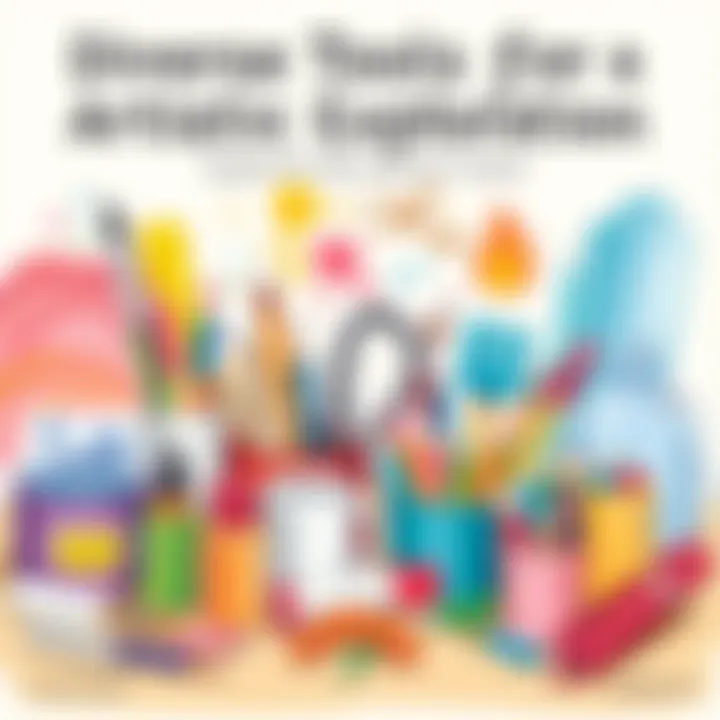
Basic art supplies are the backbone of any craft project. Think of items like colored paper, markers, crayons, and scissors. While they might seem mundane at first, these supplies offer endless possibilities for young creators. For instance:
- Colored paper serves as a canvas for collages, origami, or even simple drawings, allowing kids to experiment with colors and shapes.
- Markers and crayons can be tools for vibrant illustrations and expressive designs. Choose a variety of colors to spark imaginations.
- Scissors in various shapes can introduce fun textures to projects without the need for precision cutting.
Each of these elements facilitates not just the act of creating but also fine motor skill development in children. Campers can learn to control their movements and improve hand-eye coordination through simple activities like cutting shapes or coloring within lines.
Recycled and Natural Materials
In today’s world, embracing recycled and natural materials is more important than ever. Not only is it an eco-friendly practice, but it also promotes resourcefulness among campers. Here are some common materials to consider:
- Egg cartons, toilet paper rolls, and bottle caps can transform into robots, animals, or anything else their creativity conjures.
- Leaves, twigs, and stones found outdoors can serve as part of a nature collage or natural sculptures. Kids learn to appreciate the world around them while making something entirely new.
Using recycled materials encourages children to think outside the box and be innovative problem-solvers. It teaches them that art can be both economical and sustainable, reminding them to respect the environment we all share.
Choosing Non-Toxic Options
When dealing with children, choosing non-toxic options is paramount. Many traditional art materials can contain harmful chemicals, so it's vital to select safe products. Look for labels that specify materials are non-toxic and washable. This includes:
- Water-based paints which are safer than solvent-based alternatives.
- Glue sticks and adhesives that are safe for kids to handle.
- Biodegradable glitter which can add sparkle without the harmful plastics.
Not only do these materials prioritize the health and safety of campers, but they also reflect a commitment to responsible practices in art education. Ensuring that craft projects are safe allows kids to focus on joy, discovery, and expression.
As summer camp organizers prepare for an enriching season, prioritizing essential materials can turn a simple project into a compelling journey of creativity. Whether it's selecting basic supplies, harnessing the charm of recycled goods, or ensuring safety with non-toxic options, every choice made has a ripple effect on the learning and development of young minds.
“The best creativity springs from the ability to access the right materials. Make sure those materials inspire and protect.”
In your planning, consider expanding the camp's art supplies to include varying textures and mediums. By doing so, you unlock a world where imagination flourishes and each camper's unique artistic voice can shine.
Engaging Themes for Art Projects
In the realm of summer camps, the power of engaging themes cannot be overstated. They serve not only as a launching pad for creativity but also as a bridge that connects children’s imaginations with the world around them. When kids dive into projects aligned with a popular theme, like nature or space, they often display heightened enthusiasm. These themes not only stimulate artistic expression but also help campers bond over shared experiences, fostering community and collaboration.
When selecting themes, it’s vital to consider the interests of the age group. Children aged six to twelve are often curious and enthusiastic about specific topics, and aligning art activities with these themes can enhance engagement. From nature-inspired projects that promote environmental awareness to cultural explorations that highlight global diversity, themed activities can enrich the summer camp experience immensely.
Nature-Inspired Crafts
Nature is a boundless canvas beckoning creativity. Children are naturally drawn to the beauty of the outdoors, making nature-inspired crafts a wonderful choice for summer camps. Projects can range from collecting leaves, pinecones, and flower petals to creating art pieces like leaf rubbings or flower prints. Such activities not only engage children in the creative process but also educate them about local ecosystems.
Here are some crafts ideas:
- Leaf Pressing: Kids can collect leaves and simply press them between heavy books to create fascinating pressed leaf art.
- Nature Collage: Campers can gather various natural items and create collages on blank canvases or cardstock.
- Pet Rock Painting: By painting collected stones, children can transform ordinary rocks into colorful critters, sparking their imaginations.
Incorporating these types of crafts also nurtures a sense of environmental stewardship as children learn to appreciate and respect the natural world.
Space and Science Fiction Themes
The allure of the cosmos for children is undeniable. Space and science fiction themes invite campers to explore beyond their earthly realm while promoting STEM (Science, Technology, Engineering, and Mathematics) concepts. Projects could include building model rockets from craft supplies or designing alien worlds with imaginative landscapes.
Here are some engaging activities:
- DIY Space Helmets: Using cardboard and craft supplies, children can create their own space helmets, igniting their imaginations of being astronauts.
- Galaxy Painting: A simple process where kids use black paper and chalk or paints to simulate galaxies and stars can lead to enchanting results.
- Alien Figurines: Using polymer clay, campers can sculpt their own unique extraterrestrial beings.
These hands-on projects not only fuel creativity but also inspire curiosity about the universe, making them excellent for both artistic expression and scientific exploration.
Cultural and Historical Art Exploration
Art has been a reflection and voice of cultures throughout history. By engaging in cultural and historical art exploration, children gain a broader perspective on the world. Utilizing different cultures as a backdrop for art projects can be both educational and enriching, enabling children to connect with global traditions and practices.
Consider these project options:
- Traditional Mask Making: Children can learn about various cultures by creating masks using paper-mâché or cardboard, drawing inspiration from indigenous art forms.
- Tapestry Weaving: Utilizing yarn and cardboard looms, kids can create small tapestries while learning about weaving techniques from different cultures.
- Story Quilts: By cutting out fabric pieces and stitching them together, campers can create patches that tell a story from their own culture or a culture they’ve learned about.
Such projects can deepen their understanding of diversity and history, creating appreciation for the rich stories surrounding various artistic expressions.
Facilitating Collaborative Art Projects
Collaborative art projects stand out for summer camps as they weave together threads of creativity, teamwork, and social skills. When children engage in these projects, they learn to share ideas and resources, effectively enhancing their interpersonal abilities. These activities not only spark artistic expression but foster a sense of community among campers. Each brushstroke or clay mold becomes a part of a larger story, allowing individual voices to shine within a collective framework.
In any camp setting, collaboration can be the secret sauce. It teaches kids the importance of considering different perspectives, blending various styles, and respecting each other's contributions. This engagement not only nurtures friendships but also builds a shared sense of accomplishment. Furthermore, facilitating such projects cultivates essential skills that are useful beyond the walls of the camp—be it in school projects or future collaborative endeavors.
Group Murals and Collective Installations
Group murals and collective installations are captivating avenues for collaboration. When children come together to create a mural, they are essentially painting a shared vision. They can brainstorm themes, choose colors, and decide on the painting techniques to use, thus promoting dialogue and negotiation among peers. Each camper's contribution—from the smallest splatter to the grandest stroke—adds to the overall aesthetic, making every child feel valued.
In organizing a group mural project, consider these aspects:
- Theme Selection: Allow the campers to vote on a theme. This democratic approach can instill a sense of ownership.
- Design Planning: Sketch out the design together. Each child could take charge of different sections, making it a true team effort.
- Materials Prep: Gather materials, like canvas, paint, and brushes, so that everyone has what they need to express themselves adequately.
The final mural can serve as a vibrant memory of their collaborative effort, proudly placed in the camp area or even in a local community space. It creates a lasting impression, blending individual creativity into a harmonious whole.
Storytelling through Art
Storytelling through art invites children to use their imagination while working as a group. When kids unify their artistic talents to narrate a story visually, they delve deep into their creativity. Perhaps they create a series of illustrations depicting a favorite tale, or maybe they weave together various small pieces to form a larger narrative tapestry.
To successfully facilitate this project, keep these components in mind:
- Story Development: Start with a brainstorming session where children can present story ideas and create a collective plot.
- Medium Decisions: Decide together on the artistic medium—whether they will draw, paint, or use mixed media. This choice should reflect the group's enthusiasm.
- Collaboration Techniques: Use techniques like collaborative sketching, where one child starts an image and passes it around, allowing others to add their creativity. This spiraling approach encourages engagement and prevents any one child from dominating the process.
"In art, the ideas we share can transform strays into a masterpiece, bringing out the best in each child."
Storytelling through art not only hones their artistic skills but also invigorates their ability to communicate complex ideas. This blend of narrative and teamwork generates a unique bond, making the creative process more than just about art; it’s about forming connections and learning from one another.
By fostering these collaborative art projects, summer camps can create an unforgettable experience for children—building community ties while exploring the world of creativity.
For further reading on collaboration in education, explore resources like Edutopia or American Academy of Arts and Letters.
Integrating Science into Art Activities
In the realm of summer camps, art and science might seem like disparate subjects. However, blending these fields can create an enriching experience that brings out innovative creativity in children. This integration not only enhances artistic skills but also fosters curiosity about the natural world. Children who engage in art while exploring scientific principles develop a well-rounded understanding that encourages problem-solving and critical thinking.
Imagine a camp where a simple painting session turns into an exciting chemistry experiment. By seeing how colors blend or how different materials react when mixed, kids get a hands-on experience that makes learning memorable. Integrating science into art provides a platform for children to experiment freely, take risks in their creativity, and learn to appreciate the beauty of both realms.
Exploring Chemical Reactions in Art
When you hear the term "chemical reactions," you might envision a high school lab filled with beakers. In the context of art, however, these reactions can lead to fascinating discoveries. One popular activity is the use of baking soda and vinegar to create exploding paint. When these two components mix, they react to form carbon dioxide, which pushes out the paint, creating a bubbly effect on the canvas. Not only do kids get to make art, but they also witness science in action, which can ignite their imagination.
Another interesting avenue is creating homemade slime or clay. By mixing glue and baking soda, followed by adding an activator, children watch as their mixture transforms into a playful, moldable substance. This not only entertains but also teaches them about viscosity and chemical states—fundamental concepts in chemistry. Children can decorate their slime with glitter or food coloring, connecting the dots between art and science.
Some activities allow kids to create their own paints using natural ingredients. For instance, using cornstarch, vinegar, and food coloring not only encourages creativity but also teaches them the process involved in making paint, establishing a connection to scientific methodologies. These workshops help them to understand that everyday materials can create vibrant artworks while functioning as a lesson in chemistry.
Natural Dyes and Pigments From Botanicals
One of the most fascinating aspects of integrating science into art is the exploration of natural dyes and pigments. Children often overlook where colors in their favorite artworks come from or how they are made. By using plants, fruits, and vegetables, we can create stunning colors while giving kids insight into the environment.
For example, an easy yet engaging activity can be to use beet juice for vibrant reds or turmeric for yellow pigments. The process involves boiling the plants to extract their natural colors, resembling a mini-laboratory setup. Kids also learn about the concept of solubility and how different substances interact with water.
Through these experiences, children not only create unique artworks but gain an appreciation for sustainable practices. They discover that colors can come from the world around them, pushing them to think about their impact on nature. Moreover, using natural pigments can encourage discussions about ecosystems and the importance of preserving them.
"Art is not just something you do—it speaks of possibilities that sometimes a science book can’t explain."
In summary, integrating science into art activities at summer camps provides dual benefits: nurturing creativity while grounding it in scientific understanding. This combination enhances engagement and lays the groundwork for future learning, ensuring that children carry these lessons beyond the camp into their everyday lives.
Challenges and Solutions in Art Activities
Art and craft activities in summer camps can be as rewarding as they are challenging. Navigating through these hurdles is critical not only for smooth implementation but also for maximizing the learning opportunities for children. Camps often face issues ranging from managing supplies to addressing the varying skill levels of participants. Finding effective solutions to these challenges can enhance creativity and engagement, allowing plenty of room for self-expression and exploration.
Managing Supplies and Cleanup
One of the most pressing challenges is managing supplies. The sheer variety of materials used in art projects—paints, brushes, scissors, glue—can easily lead to chaos. Having kids working on different projects often results in a messy workspace that might feel overwhelming. The key here is organization. Here are a few strategies to consider:
- Create a Material Checklist: Before projects begin, list all the required materials. This encourages preparedness and reduces last-minute scrambles.
- Set Up Designated Areas: Organizing stations for different types of supplies can streamline the process of gathering needed materials. Each area can host specific items, minimizing the chances of mix-ups.
- Implement Cleanup Routines: Establish a cleanup routine that involves children in tidying up. For instance, assigning specific roles—like collecting brushes or disposing of paper waste—can instill responsibility. Encouraging teamwork can ease this daunting task while minimizing time wasted.
A little organization goes a long way in transforming chaotic sessions into smooth, enjoyable ones.
Addressing Skill Disparities Among Children
Skill disparities can crop up quickly when working with a diverse age group, leading to frustrations and disengagement among some participants. Not every child arrives with the same abilities or creative confidence, which can often lead to a few feeling left in the dust. There are practical ways to address these disparities:
- Tailored Instruction: Use varied instructional techniques. For example, while some kids might thrive with step-by-step guidance, others may flourish with more freedom. Assessing individuals helps in crafting suitable project instructions.
- Peer Mentoring: Encourage older or more experienced children to assist younger ones. This can create an encouraging environment and build camaraderie, fostering collective growth.
- Varied Project Difficulty: Provide multiple project options with varying levels of complexity. This allows each child to choose a challenge suited to their skill level, thus promoting confidence and learning at their own pace.
By tackling these challenges with clear strategies, summer camps can create a nurturing environment where creativity doesn’t just surface but thrives. Each solution proposed enables a hands-on approach that transforms obstacles into stepping stones toward artistic exploration.
Evaluating Artistic Progress and Development
Evaluating a child's artistic progress and development may not be the first thing that comes to mind when considering creative summer camp activities. However, this step holds considerable significance in identifying both achievements and areas for improvement among budding young artists. Through a proper evaluation, kids gain necessary skills for refining their creative expression, and camp organizers can tailor activities that fit individual needs.
When camp instructors engage in assessing artistic development, they stand to recognize the diverse talents that children bring to the table. For example, some children may excel at abstract painting, while others might have a knack for intricate clay sculptures, or still others might shine through storytelling in art. Recognizing these distinctions, rather than lumping everyone into the same creative category, not only uplifts a child’s self-esteem but also enhances their joy for art.
In evaluating progress, it’s also crucial to create a supportive environment where children feel free to explore and experiment. This might mean adopting an encouraging mentality rather than a judgmental one. By doing so, instructors promote a positive atmosphere that fosters enthusiasm for creating art and helps build confidence in their skills.
Some of the benefits of systematic evaluation include:
- Tailored Learning Experiences: By understanding where each child is in their artistic journey, instructors can better design activities that challenge them appropriately and help fill any gaps in learning.
- Celebration of Milestones: Recognizing and celebrating even small achievements encourages children to strive for further growth in their artistic pursuits.
- Improved Communication Skills: Through discussions about their work, children practice articulating their thoughts and feelings about their creations, promoting communication skills that benefit them in various areas of life.
In essence, evaluating progress not only helps children understand their creative trajectory but also empowers instructors to build a nurturing artistic community.
Setting Creative Goals
Setting creative goals is a significant aspect of evaluating artistic progress in summer camps. Each child comes with their own unique interests and strengths, and as such, the objectives set should reflect those individualities.
Setting specific, measurable, achievable, relevant, and time-bound (SMART) goals might be a great framework for guiding young artists. For instance, instead of a vague goal like "get better at painting," a SMART goal could be "learn to mix three primary colors to create secondary colors by the end of the week." This clear target provides both a purpose and a sense of direction, allowing children to focus their efforts on a specific skill.
Engaging children in the goal-setting process encourages ownership of their artistic journeys. Asking them what they wish to achieve, whether it’s mastering a technique or completing a certain number of projects, gives them the chance to express their personal aspirations and fosters motivation.
When goals are set, it becomes easier to evaluate progress over time too. For example, at the start of the camp, children could sketch their aspirations and at the end, they can review and reflect on how much they have learned or changed. This reflection can often become a powerful affirmation of their growing skills.
Constructive Feedback Techniques
The role of constructive feedback in evaluating artistic progress is indispensable. Proper feedback encourages youthful creators to think critically about their work while allowing them to identify strengths and weaknesses.
Using positive language when providing feedback can make a world of difference. Instead of saying, "This isn’t right," consider saying, "Have you thought about trying a different approach to achieve the effect you want?" This not only directs the child's thinking but also keeps their spirits high and their creativity flowing.
Another effective technique is the "two stars and a wish" method. For each piece of art, instructors might identify two things that the child did particularly well (the stars) and suggest one area for improvement (the wish). For instance, "I love how your use of color makes this landscape pop! Next time, let’s see if we can add more texture to the tree." This method helps children leave the conversation feeling proud of their achievements while also understanding that there is always room for growth.
Feedback sessions can be enhanced through peer reviews as well. Children can provide feedback to each other in small, structured groups, developing their ability to articulate their thoughts and engage in constructive criticism.
In the realm of art, constructive feedback serves as a compass, guiding young creators along their creative journey, ensuring they never lose their way.
Promoting Art Exhibitions at Camps
Promoting art exhibitions at summer camps serves as a pivotal moment in cultivating appreciation for creativity among children. Here, campers can not only showcase their artworks but also gather confidence from seeing their peers' achievements. This exposure allows young artists to articulate their creative processes and insights behind their projects. The entire camp experience gets a boost, transforming ordinary art projects into unforgettable milestones.
A successful art exhibition goes beyond merely displaying pictures on a wall or sculptures on a pedestal. It presents an opportunity to deepen connections between campers, families, and the broader community. Everyone comes together, allowing friendships to grow and collaborations to form. Consider this: when parents and community members engage with the children’s artwork, they forge networks of support that go well beyond the tent.
Furthermore, holding an exhibition can encourage children to embrace artistic expression, seeing it as a legitimate and valued part of their lives. It creates a space where critique blends with admiration, fostering essential skills like communication and reflection. The following paragraphs will discuss aspects of planning an art show as well as how to involve families and the community in the process.
Planning a Camp Art Show
Planning a camp art show requires a blend of creativity, logistical know-how, and a sprinkle of organizational magic. First off, the date and location should be settled, ideally choosing a space that can comfortably handle attendees without feeling cramped. Spaces like outdoor pavilions or spacious indoor rooms can work wonders.
Once the location is determined, curating the artworks becomes the next exciting step. Here are some key aspects to think about:
- Decide on Themes: Select overarching themes that resonate well with kids' creations; this could be anything from nature to dreams.
- Artwork Selection: Aim to include a variety of artworks that showcase different talents. Encourage all campers to submit pieces, ensuring no one feels left out.
- Display Setup: Consider using simple stands or strings with clips to display artworks. Lighting plays a role too; soft, warm lighting can make pieces pop and draw attention.
- Promotion: Use flyers, social media, or even word-of-mouth to spread the word. Make it sound exciting!
Finally, plan a small opening ceremony. Allow campers an opportunity to speak about their works. They can share their inspiration or what they learned during the project. It adds a personal touch to the event, making it special for everyone involved.
Involving Camp Families and Community
Involving families and the community can truly elevate the exhibition's success. When parents engage actively, it creates a sense of investment and pride for the children. Here's how to bring families into the fold:
- Volunteer Roles: Invite parents to help with set-up, create refreshments, or act as guides during the exhibition. It fosters a sense of teamwork.
- Family Workshops: Consider hosting a few family-oriented art workshops leading up to the exhibition. This can help families create their art while bonding with each other.
- Community Involvement: Reach out to local artists or art educators to visit the exhibition. This not only validates children’s work but also opens the door for mentorship opportunities.
Creating an inclusive atmosphere is key. The children can invite family members to explore art together and enjoy the festivities. The more the families feel that they are part of their children’s artistic journeys, the more rewarding the process becomes.
Through carefully orchestrated planning and genuine inclusivity, promoting art exhibitions at summer camps can truly leave a lasting impact on children, families, and the community at large.
Art is not what you see, but what you make others see. - Edgar Degas
For more guidance and tips, check out American Alliance of Museums and KidsArt.
Learn how art can bridge gaps and foster connections in your community!
End: The Lasting Impact of Art and Craft Activities
Art and craft activities at summer camps aren't just about passing the time; they leave behind imprints that can steer children toward a more vibrant, creative future. The experiences children gain not only develop their artistic skills but also enhance cognitive abilities, emotional intelligence, and social interaction. In today’s world, where technology often overshadows hands-on creativity, these activities serve as a necessary balance.
Nurturing Lifelong Creativity
In the heart of every child is an innate urge to create. When given the space and materials to explore, this can blossom into a lifelong pursuit. Art fosters imagination and encourages risk-taking. For instance, a simple activity like finger painting enables children to experiment freely with color and form without the fear of failure. They learn that mistakes are merely stepping stones toward success. As these children grow, they carry the lessons of innovation and exploration into adulthood. They become more adept problem solvers in their careers, perhaps viewing challenges from a fresh perspective because of that early freedom to create.
Moreover, the practice of art often acts as a stress reliever. This is particularly vital in current times when pressures seem to mount upon our youth. Immersing oneself in artistic expression can be a soothing escape, offering both joy and relaxation. Encouraging creativity in youth isn’t just about creating artists — it’s about cultivating well-rounded individuals who can express thoughts and emotions in healthy ways.
Encouraging Future Scientific Exploration
Integrating scientific concepts into art activities opens up new avenues for young minds. It’s a fusion of disciplines that cultivates curiosity. For example, when children use natural dyes made from plants, they not only create vibrant colors but also learn about the chemistry behind color extraction. Each paintbrush stroke might ignite curiosity about plant biology or even chemistry — a bridge linking the artistic process to scientific inquiry.
Children's interest in the world around them can be sparked through art, enhancing their observational skills and engagement with science. By blending art with science, camps can nurture future scientists. Imagine a project where children create clay sculptures illustrating animal habitats; this opens the door for discussions about ecology and evolutionary biology, laying a foundation for later scientific endeavors.
Art isn't simply an aspect of life; it is a tremendous unifier of disciplines, connecting kids with both creativity and curiosity that will benefit them for years ahead.