
Build Your Own Volcano: A Fun Science Project

Intro
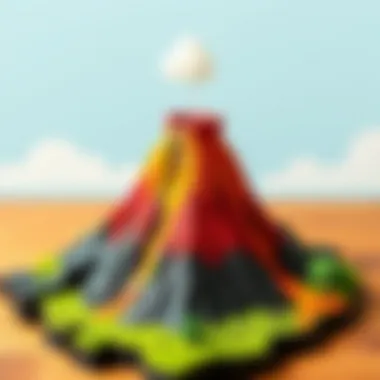
Welcome to an extraordinary journey into the world of volcanology! If you ever looked at a mountain and wondered if it could erupt like a volcano, then this guide is tailor-made for you. Here, we’ll be diving into the fascinating process of crafting your very own volcano—complete with eruptions and all! Not only will you have a fantastic time getting your hands dirty, but you’ll also learn about important scientific principles like geology and chemistry.
This guide is designed for bright young minds aged 6-12, eager to explore science through practical activities. Every step is carefully laid out with clear instructions, materials you'll need, and even some safety tips to ensure that your volcano-building experience is both safe and fun. Ready your apron, grab your supplies, and let’s get started on this volcanic adventure!
Science Fun Facts
Before we dig into crafting your volcano, let’s fuel your knowledge with some fun, eye-opening science facts that are sure to spark your enthusiasm:
- Did you know? The largest volcano in the solar system is Olympus Mons, located on Mars. It's nearly three times the height of Mount Everest!
- Interesting Tidbit: The word "volcano" actually comes from the name of the Roman god of fire—Vulcan.
- Quirky Science Story: In ancient times, people believed that volcanic eruptions were caused by angry gods throwing fiery rocks at the earth.
- Impressive Record: The smallest volcano in the world is a mere 5 feet tall—it's called the "Micronesian Volcano"!
"Science is not only a disciple of reason, but, also, one of romance and passion." – Stephen Hawking
These fun facts not only highlight the wonders of volcanoes but also set the stage for the incredible science you’ll be learning about as you craft your own.
Discover the Wonders of Science
There’s so much more to explore beyond just making a volcano! Understanding the science behind it opens up a treasure chest of knowledge. Here's how:
- Exploring Scientific Concepts: Delve into topics like plate tectonics, magma formation, and how eruptions happen. Understanding these aspects can help you appreciate the forces of nature involved in volcanic activity.
- Educational Videos: Watching videos can do wonders for grasping complex ideas. There are plenty of informative animations on platforms like YouTube that illustrate volcanic eruptions in a simple, engaging way.
- Interactive Learning Tools: Websites such as PBS LearningMedia offer games and interactive modules that let you play while you learn, making the science of volcanoes even more accessible.
- Real-Life Applications of Science: What happens in the earth beneath our feet can impact lives! Understanding volcanic activity helps us prepare and respond to eruptions, keeping communities safe.
Science Quiz Time
Now that you're armed with knowledge, let's challenge your skills! Here’s a simple quiz to see what you've absorbed:
- What is the largest volcano in the solar system?
a) Mount St. Helens
b) Olympus Mons
c) Mauna Loa - What causes a volcanic eruption?
a) Angry gods
b) Magma rising to the earth's surface
c) Earthquakes - Which type of volcano is the most explosive?
a) Shield volcanoes
b) Stratovolcanoes
c) Cinder cone volcanos
Answers: 1. b, 2. b, 3. b
Testing your knowledge not only makes learning fun but reinforces understanding.
Science Experiment Showcase
Finally, it’s time to roll up your sleeves and dive into crafting your volcano! This hands-on experiment will allow you to witness the principles of science in action:
Fun and Engaging Experiments
Building your volcano model is not just fun—it’s an experiment that teaches you about reactions.
Step-by-Step Instructions
- Gather Materials:
- Form the Volcano Structure:
Use the clay or paper mache to mold your volcano shape around the bottle, leaving the top open. Make sure the base is wide, like a real volcano! - Create the Eruption:
Once your volcano is ready, add a couple of tablespoons of baking soda into the bottle. Pour in some vinegar mixed with food coloring. Step back and watch the eruption!
- Baking soda
- Vinegar
- Food coloring
- A plastic bottle
- Clay or paper mache
- A tray to contain spills
Materials List
- Baking soda
- Vinegar
- Food coloring
- Plastic bottle
- Clay or paper mache
- Tray
Safety Tips and Precautions
- Always do this experiment in a well-ventilated area.
- Wear old clothes or an apron, as things might get messy!
- Don’t ingest any materials used.
Crafting a volcano is a fun way to learn, and seeing it erupt teaches you about chemical reactions in a visually exciting manner. Get ready for some hands-on science!
By engaging in these experiments, kids can cultivate a love for science that extends far beyond the classroom. Knowledge gained here is not just for school, but a journey into understanding our world better.
Understanding Volcanic Structures
Understanding volcanic structures is essential for grasping how volcanoes work and why they are vital components of our planet's geology. Recognizing the different forms that volcanoes can take provides young scientists with foundational knowledge that underpins the entire volcanic ecosystem. It sparks curiosity and encourages exploration into related scientific fields such as geology and chemistry.
Why This Matters
By learning about these structures, children can connect creative projects, like building their own volcano models, with real-world geology. The act of crafting a volcano provides a tactile experience that links theoretical knowledge with practical application. Delving into the intricacies of volcanic formations helps highlight the dynamic nature of Earth's surface. Exploring these concepts can ignite a passion for learning about natural phenomena, a passion that often carries into later studies.
Understanding the different types of volcanoes, how and why they erupt, and what happens afterward sets the stage for comprehending the powerful forces at play beneath our feet. It offers insights into how these forces impact our environment—from lava flows and ash clouds to the rich soils that arise from volcanic activity. Here, we’ll break it down further to see what exactly a volcano is, the various types of volcanoes, and the science behind their eruptions.
Preparing Your Materials
Gathering the right materials is a crucial step in crafting your volcano model. Without the proper supplies, the project could turn from a scientific adventure into a disorganized mess. This phase sets the stage for a successful eruption, allowing young scientists to grasp both the creative and scientific processes involved.
When it comes to hands-on science projects, preparation directly impacts the outcome. If a child knows exactly what materials they need and why those materials are significant, the entire experience becomes not just a task but a learning opportunity. On top of that, assembling materials ahead of time saves a lot of frustration later on as it creates a smoother workflow.
List of Required Supplies
To start your journey into the world of volcanology, here’s a handy list of what you’ll need:
- Modeling clay or dough for shaping the volcano
- Cardboard for the base or structure
- Plastic bottle for the crater
- Baking soda and vinegar for the eruption
- Food coloring to make the lava vivid
- Paper towels to clean up afterward
- Paint for detailing the volcano
- Small rocks or soil to represent the surrounding landscape
Choosing Safe Materials
Non-toxic items
When engaging in hands-on activities like building a volcano, it's essential to prioritize safety. Non-toxic items refer to materials that do not pose a risk to health. In this project, using non-toxic items allows children to explore their creativity without worry. These materials often are marked clearly on their packaging, ensuring that they are safe for kids. For instance, many modeling clays are made from natural ingredients, which means no harmful chemicals. Non-toxic options help create an environment where kids must focus on learning rather than safety concerns. Choosing these materials typically proves to be a beneficial choice since they often yield better results, ultimately making the entire process enjoyable and secure.
Household supplies
Using ordinary household supplies can significantly enhance the volcano-building experience. Items like empty plastic bottles, cardboard, or even leftover craft supplies can often do the trick without running to a store. This approach not only saves money but also encourages kids to think about recycling and being resourceful. The key characteristic of household materials is their accessibility—most households have them lying around, so there's no need to go out and buy special items. However, it's important to ensure that these materials are safe for kids to handle. Some items, such as sharp edge, should be avoided. By using common supplies, children become engaged in the learning process and can see how everyday items fit into scientific experiments.
Assembling Your Kit
Once everything is gathered, it’s time to put the materials together to form a kit. This packing process can be part of a fun learning moment, allowing kids to take responsibility for their project. Having everything at one location can make the assembly and eruption phases run smoothly.
Encouraging children to label their materials not only helps them locate them easily when the project kicks off but also helps them cultivate organizational skills. Don’t forget to make sure that everything you prepare is noted in the project instructions, giving a clear guide to what is needed for a successful volcano project.
Constructing the Volcano Model
When embarking on the journey of crafting a volcano, it's critical to consider the model's construction. This section provides the backbone of your project, allowing young scientists to visualize and understand volcanic structures. By building a volcano model, children engage in a hands-on learning experience that reinforces concepts from geology and chemistry.
Aside from making science tangible, constructing a volcano also offers students a chance to develop creativity and problem-solving skills. They must decide what materials to use, how to shape the model, and how to incorporate unique features that make their volcano one-of-a-kind.
Creating the Volcano Shape
Using clay
Using clay is one of the most popular methods for crafting your volcano shape. Clay is incredibly malleable, allowing young creators to shape it in ways that mimic the various forms volcanoes take. The beauty of clay lies in its versatility and ease of use. Children can mold it into different elevations and formations, just like real volcanoes.
Another advantage is that clay offers excellent durability once dried, meaning your volcano can withstand playful eruptions. However, it does require a bit of patience, as drying can take time. Also, if not sealed properly, humidity can affect the structure down the line.
Utilizing cardboard
On the flip side, utilizing cardboard presents a different approach to building a volcano. This method is especially beneficial because cardboard is readily available and lightweight, making it easy to manipulate. Children can cut, layer, and glue pieces together, forming a volcano base that may be even more impressive than one made with clay.
A unique aspect of cardboard is its ability to be painted and decorated easily without fear of damage—plus, it often costs little to nothing. However, while cardboard presents a quick way to build, it may not be as sturdy long-term and could collapse if not designed thoughtfully.
Designing the Crater
Creating the crater is a vital step as it represents the eruption point of your volcano. This can be done through careful shaping of the materials used, whether it be clay or cardboard. Children should be encouraged to think about how craters differ in nature and how they may be formed through various eruption types. Designing this feature gives students the chance to visualize the topography of real volcanoes and understand their behavior.
Adding Details
Landscaping around the volcano
Landscaping around the volcano is where imagination can truly run wild. This aspect adds depth and context, making the volcano more engaging. Learners can include trees, rivers, or fictional creatures that would inhabit their volcanic landscape. Not only does it provide a creative outlet, but it also reinforces environmental concepts.
As children choose what to include in their landscape, they learn about ecosystems, which may thrive around volcanic areas. The disadvantage of this, however, is the potential mess, with various materials leading to scattered items that need to be cleaned up.
Using paint for realism
To make the volcano come alive, using paint for realism is essential. Painting can transform a basic model into an eye-catching representation. Young scientists can use shades of brown, orange, and even grey to depict lava and ash. The application of paint can further arouse interest and enhance the educational value of the project by making it visually striking.
However, it's important to consider that paint will take time to dry, necessitating patience. Also, kids should always be supervised when using paints to ensure they are safe while getting creative.
Initiating the Eruption
Initiating the eruption is like striking a match to light a fire; it’s where all the excitement begins. This section dives into how we can mimic volcanic eruptions safely and effectively through simple yet engaging chemical reactions. Understanding the eruption process is vital as it helps young scientists connect the dots between geology and chemistry, making the learning experience richer and more insightful.
When we perform an eruption, it’s not merely about watching something explode; there’s a deeper lesson in chemistry happening behind the scenes. By mixing certain ingredients, we trigger a reaction that visualizes the tremendous forces at play in volcanoes. This practical demonstration can ignite a passion for science in children, teaching them about mixing substances, observing reactions, and even expressing scientific predictions.


Mixing the Eruption Ingredients
Vinegar and Baking Soda Method
The vinegar and baking soda method is a classic experiment that serves as a fundamental building block for understanding chemical reactions. Its importance lies in the efficient way it creates carbon dioxide gas. When vinegar, which is acidic, meets baking soda, a base, they react to form carbonic acid, which quickly decomposes into water and carbon dioxide. This instantaneous creation of gas is what produces those dramatic fizzing eruptions, making it one of the most exciting choices for kids.
Key Characteristics: This method provides an easy-to-understand illustration of an acid-base reaction. The visual element, combined with the sounds of bubbling and fizzing, captivates the young audience's attention.
Benefits: Vinegar and baking soda are both non-toxic and readily available in many households. This makes the experiment not just safe, but also accessible to anyone wanting to dive into the world of volcano crafting.
Unique Features: One significant advantage here is the control over the eruption's intensity. By adjusting the quantities, children can experiment with different outcomes, learning the scientific method along the way, including making hypotheses and testing them.
Alternative Chemical Reactions
Moving beyond vinegar and baking soda opens up a world of creative experimentation, such as using yeast and hydrogen peroxide, which can also simulate eruptions in a different way. This reaction produces a significant frothy output, creating an impressive spectacle for those observing.
Key Characteristics: Reactions involving yeast produce foam, simulating lava flow effectively and showcasing how different substances yield varying results.
Benefits: Exploring alternative chemical reactions encourages creativity and innovation. By trying different reactions, children are inspired to think outside the box, developing their experimental skills further.
Unique Features: A noted advantage of this approach is the opportunity to discuss the role of catalysts. Yeast acts as a catalyst in this case, which can lead to discussions about other examples in daily life, be it in baking or even in nature.
Executing the Eruption
Step-by-Step Eruption Process
Now that we have our ingredients mixed, executing the eruption process is where the fun really kicks in. A clear, step-by-step process helps ensure that the students not only participate but also absorb the science behind the activity. The preparation involves combining the materials carefully, allowing a systematic observation of each step while waiting for the reaction to unfold. This structure is essential in providing clarity and preventing chaos, thus emphasizing safety throughout the experiment.
Key Characteristics: A defined procedure instills a sense of order. It also helps children to follow directions accurately, fostering discipline and responsibility in the scientific process.
Benefits: Through step-by-step execution, participants can understand cause and effect, watching how their actions directly impact the experiment’s result. It’s a fundamental teaching moment about accountability in lab settings.
Unique Features: Documenting each step of the process allows participants to learn about recording data and reviewing outcomes, which are crucial aspects of scientific inquiry.
Safety Precautions
With great eruptions come great responsibilities. Safety precautions are non-negotiable. This aspect underscores the importance of keeping the environment safe and manageable while still having fun.
Key Characteristics: Implementing safety measures such as using goggles and working in a controlled area teaches kids about the significance of caution in science—even in seemingly simple projects.
Benefits: Discussing safety prepares children for future scientific endeavors. They learn that every experiment, regardless of size, comes with risks and that understanding and mitigating those risks is part of the scientific process.
Unique Features: Encouraging kids to create their own safety checklist adds a personal touch to the experience. It motivates them to take ownership of their safety and the well-being of those involved in the experiment.
Analyzing the Eruption
Analyzing the eruption is a key phase in this volcano crafting adventure. This section empowers young scientists to observe, engage, and draw conclusions from the eruption they have created. By focusing on analysis, students can understand the chemical reactions that take place, enhancing their grasp of fundamental scientific concepts.
Not only does this practice cultivate critical thinking skills, but it also encourages curiosity. When young learners witness the eruption, they can ask questions like: What caused the explosion? How does the mixture create bubbles and fizz? This exploration is vital for nurturing a lifelong passion for science.
Observing the Reaction
When the volcano erupts, it’s time to observe the reaction. Take a moment to watch how the ingredients react with one another. You’ll see bubbling action, possibly some foaming, and even a colorful display if you added food coloring to your mixture. Keep a keen eye on what happens as the reaction unfolds. This step is not just about excitement; it’s about understanding the interaction of acids and bases.
You might notice that as the vinegar meets the baking soda, gas forms, which creates the classic ‘lava’ flow. What’s happening? The carbonation makes the mixture overflow, similar to what happens in real volcanic eruptions. Observing these reactions can spark fascination, highlighting many simple yet powerful principles of chemistry.
Recording Results
Recording results is an essential part of any scientific experiment. This aids in developing measurement, observation, and documentation skills. Keeping a structured record of what you observed helps you analyze patterns in the reaction. It’s like telling your volcano story through notes.
Documenting the Experience
Documenting the experience means jotting down everything from the colors you used, the quantities of the ingredients, to the volume of the eruption. Observational notes can include descriptions of the lava's flow: Did it bubble quickly or slowly? Did the mixture create a fountain or just ooze out gently? Capturing these details makes this a beneficial and engaging aspect of your scientific journey. The unique feature here is the engagement factor; kids love to see their work in writing, creating a memorable learning experience.
- Benefits of Documenting:
- Encourages reflective thinking.
- Helps in comparing different eruptions.
- Provides a record for future reference.
Discussing Outcomes with Peers
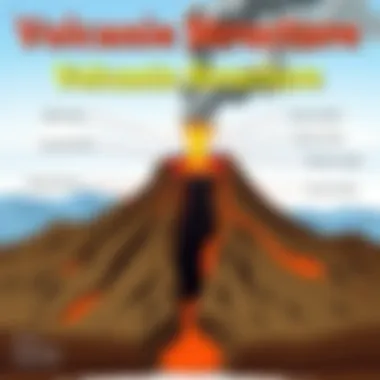
Discussing outcomes with peers is another crucial step in the learning process. This not only helps solidify individual understandings but also invites varied opinions and insights. When children discuss their findings, they enhance their communication skills and foster teamwork.
Asking questions like, "What did you notice?" or "Did your eruption look different from mine?" can lead to engaging conversations that help reinforce scientific concepts. It’s a popular step in the process, as sharing ideas is often one of the most enjoyable aspects of learning. Each voice can bring a unique perspective, which highlights how different experiments can yield varied results based on slight changes.
- Unique Features of Peer Discussions:
- Encourages collaboration.
- Diverse ideas spur creativity.
- Fosters a supportive learning environment.
Learning is maximized when insights are shared. A discussion can enhance individual findings to form a well-rounded understanding of volcanic eruptions.
Exploring Volcanoes in Nature
When thinking about volcanoes, many people picture explosive eruptions or swirling lava. However, the role of volcanoes extends beyond dramatic events. Exploring volcanoes in nature is crucial for understanding geological processes, the rhythm of our planet, and its ecosystems. This aspect offers young scientists an opportunity to appreciate the beauty and complexity of the Earth.
Benefits of Exploring Volcanoes
Venturing into the world of volcanoes reveals not just the raw power of nature but also the lessons it can teach us:
- Geological Wonders: Observing real volcanic formations educates us about plate tectonics and formation processes of the Earth's crust.
- Biodiversity: Volcanoes are often hotbeds of unique plant and animal life. Many species thrive in nutrient-rich volcanic soils. For instance, after an eruption, the fresh layers of lava can contribute to new land that eventually hosts diverse ecosystems.
- History Lessons: Each volcano has its own history. When you study places like Mount Vesuvius, you see the impact on human history and settlements. Such explorations give context to our learning, creating pathways to deeper scientific inquiries.
"Learning about volcanoes is like unwrapping a mystery. Each layer brings new insight!"
Famous Volcanoes of the World
Mount Vesuvius
Mount Vesuvius, located in Italy, is one of the world's most infamous volcanoes. It is best known for the catastrophic eruption in 79 AD that buried the town of Pompeii under volcanic ash.
Key characteristics of Mount Vesuvius include its stratovolcano structure, which is known for explosive eruptions. This makes it an ideal example to study volcanic behavior and its impacts on human settlements. Understanding Vesuvius's history helps shine a light on how not just geology but civilization itself can change dramatically due to geological activity. However, living near such a volcano means being prepared for potential eruptions, demonstrating the balance between the beauty of nature and the risks it poses.
Mauna Loa
Positioned in Hawaii, Mauna Loa is recognized as the largest active volcano on Earth based on volume and area covered. Its resilience is apparent in its gentle slopes, making it less explosive than others, which is fascinating for young scientists.
Unique feature of Mauna Loa is its capacity for effusive eruptions, where lava flows out easily rather than exploding violently. This is important because it allows scientists to study the flow patterns and how it affects nearby ecosystems. The broad eruptions shape land and facilitate the growth of new habitats for wildlife. However, depending on the lava flow direction, there could still be threats to nearby communities, teaching a critical lesson in preparedness and safety.
Mount St. Helens
Mount St. Helens, located in Washington State, made headlines with its famous eruption in 1980. This eruption beautifully demonstrates the destructive and creative power of volcanoes.
Key aspects of this volcano lie in its explosive nature and the dramatic landscape changes after eruptions. Learning about Mount St. Helens offers insights into the techniques scientists use to monitor volcanic activity. Haw many scientists can effectively predict eruptions, providing safety to nearby populations? The aftermath of the eruption teaches us about ecological recovery, as life slowly returns to areas once devastated by lava.
How Real Volcanoes Impact Ecosystems
Volcanoes play a significant role in shaping our ecosystems. After an eruption, the ash may enrich the soil, leading to vibrant plant growth. These plants, in turn, provide habitats for many species, creating new ecosystems where once there was barren land. Recognizing this intricate connection not only fosters appreciation for nature's resilience but also compels us to consider the ongoing impact of human activities on these systems.
Visiting or studying volcanoes around the globe opens windows into Earth’s processes, guiding us to understand our environment's conditions and transitions, making it essential for every aspiring young scientist.
Further Learning Opportunities
Engaging with the process of crafting a volcano can open many doors for young minds eager to understand the world around them. Further learning opportunities enhance the hands-on experience of building a volcano by diving into various resources that enrich the knowledge base about geological phenomena. With the right tools, children can expand their comprehension beyond the simple creation of a model; they can grasp the fundamental principles of earth science and chemistry.
Exploring different mediums such as books and online resources is like adding more ingredients into the scientific mix. These resources serve as a base for fostering curiosity, encouraging exploration, and igniting a passion for learning. Knowing how volcanoes work, their types, and their effects on the ecosystem can inspire kids to not just learn, but seek answers to their questions.
Books About Volcanoes
Books provide a treasure trove of information. When children pick up a book about volcanoes, they enter a world full of colorful illustrations, exciting facts, and in-depth history. One popular choice is "Volcanoes: What They Are and How They Work" by John P. Rafferty. This book simplifies complex concepts making it accessible for younger readers while stirring imagination. Another great option is "The Magic School Bus Inside a Volcano" by Joanna Cole, which cleverly intertwines storytelling with scientific facts, making learning feel like a fun adventure.
The appeal of these books lies not only in their engaging illustrations and narrative styles but also in their ability to bring volcanoes to life. Reading about actual volcanoes, like Mount St. Helens, helps to form connections between facts learned hands-on and real-life examples. These enriching materials bolster critical thinking while promoting literacy skills.
Interactive Online Resources
Interactive online resources have become an essential part of learning, especially for kids who find digital engagement more stimulating than traditional methods. When it comes to volcanoes, a few platforms stand out.
Virtual volcano simulations
Virtual volcano simulations allow children to experience the eruption of volcanoes without the risks and dangers of real-life scenarios. Programs like "Volcano World" offer interactive experiences where users can engage with various volcanic eruptions and understand the science behind them through animations and graphics.
One key characteristic of these simulations is their interactivity. The child can navigate through different eruption styles, learn about the geological processes in real-time, and see how changing variables affect outcomes. The immediate feedback provided creates a powerful learning loop, helping to solidify concepts associated with volcanic activity, like pressure build-up and magmatic movement. However, it’s essential to ensure that children are guided while using these tools to comprehend the scientific principles fully.
Educational videos
Educational videos serve as another dynamic resource. Platforms like National Geographic Kids offer a variety of engaging videos that explore volcanic activity, the science behind eruptions, and animations illustrating the processes involved. The strength of educational videos is their visual storytelling, which complements what children learn through hands-on experience with their volcano model.
For instance, a video demonstrating a volcanic eruption can connect the dots between physical experimentation and theoretical knowledge, reinforcing the understanding of eruptions in an illuminating way. Plus, with the accessibility of platforms like YouTube, kids can revisit these resources multiple times to absorb knowledge at their own pace. However, parental guidance is recommended to filter suitable content and keep learning focused.