
Innovative Renewable Energy Projects for Young Minds
Intro
In our fast-paced world, understanding renewable energy is not just a trend; it is becoming a necessity. With climate change knocking on our doors, it's high time that young innovators get their hands dirty and discover the exciting realm of renewable energy. Whether it’s harnessing sunlight, using the wind, or tapping into the power of water, renewable energy projects offer not just a spark of scientific curiosity but also the essential skills that can shape a brighter future.
This article aims to explore a variety of simple renewable energy projects tailored for children, their parents, and caregivers. These projects are not solely about theory but mix practical activities with engaging insights. The goal is to spark a deeper understanding of sustainable practices in a format that feels accessible yet inspiring. From building your own solar oven to crafting wind turbines, there's a project for every young scientist out there.
Curiosity reigns supreme as we embark on hands-on experiments, allowing children to learn through action and reflection. By the end of this journey, we hope to stir a passion for science, blending learning with excitement and innovation. Now, let’s dive into some compelling trivia that sets the stage for our adventures in renewable energy.
Intro to Renewable Energy
The topic of renewable energy holds a significant place in today’s world, especially for young innovators. As the earth grapples with climate change, the necessity of sustainable energy solutions has never been clearer. In this article, we aim to shed light on various simple renewable energy projects that can ignite the curiosity of young minds and foster their understanding of environmental science. Engaging in these projects not only equips children with practical skills but also emphasizes the importance of conserving our planet’s resources.
Definition and Importance
Renewable energy refers to energy derived from resources that are naturally replenished, such as sunlight, wind, rain, tides, and geothermal heat. The importance of renewable energy cannot be overstated. As fossil fuels deplete and pollution reaches critical levels, shifting towards renewable resources can help mitigate these issues. Teaching kids about renewable energy helps to instill a sense of responsibility towards the planet, making them active participants in discussions about sustainability and environmental protection. This awareness is pivotal as they grow up in an era where their actions will directly impact the Earth’s future.
Types of Renewable Energy Sources
Within the umbrella of renewable energy, several key sources stand out:
Solar Energy
Solar energy is harnessed from the sun using solar panels or other technologies. One of its main attractions is its abundant nature; sunlight is available almost everywhere and is free. The ability of solar panels to convert sunlight directly into electricity demonstrates a tangible application of physics and energy. Solar energy not only reduces reliance on fossil fuels but can also lead to a significant decrease in electric bills. However, it can be limited by weather conditions or time of day, meaning it's essential to have storage solutions or backup systems.
Wind Energy
Wind energy utilizes the power of the wind to generate electricity via turbines. This form of energy is particularly beneficial in areas with strong and consistent winds, leading to large-scale wind farms. The turbine's blades capture the wind's kinetic energy, converting it into mechanical energy, and then electricity. One unique aspect of wind energy is its scalability; from small turbines for individual homes to large offshore wind farms, it suits various applications. Though it’s renewable, wind energy may impact local wildlife if not managed properly, which is a conversation worth having in any project.
Hydropower
Hydropower, which harnesses water flow to generate electricity, is another essential renewable source. Commonly seen in dams, it leverages the gravitational potential energy of falling or flowing water. This method is efficient and can produce significant amounts of energy. One key characteristic is that hydropower plants can generate electricity consistently, provided there is sufficient water supply. However, building large dams can disrupt local ecosystems, which raises important ethical considerations that students should examine in their projects.
Biomass Energy
Biomass energy comes from organic materials, such as plant and animal waste. By burning these materials or converting them into biofuels, biomass can replace fossil fuels in energy production. A remarkable feature of biomass is its ability to reduce waste; using leftover materials for energy contributes to sustainability. It is an excellent opportunity for young innovators to explore the life cycle of waste and energy production. However, it also requires careful management to ensure that sourcing biomass does not negatively affect food supplies or biodiversity.
Geothermal Energy
Lastly, geothermal energy taps into heat from the earth's interior. This form of energy can provide heating and electricity and is particularly effective in areas with volcanic activity. A fascinating aspect of geothermal energy is its sustainability; as long as the earth exists, this resource will be available. However, tapping into geothermal resources can involve significant initial costs and the risk of triggering seismic activity if not conducted responsibly.
By engaging with these diverse renewable energy sources, young innovators can learn not just about scientific principles, but also about the critical balance between progress and environmental stewardship. Through simple projects related to these types of energy, children can build a foundation for sustainable practices that last throughout their lives.
Why Engage in Renewable Energy Projects?
Engaging in renewable energy projects is more than just a pastime for young innovators; it's a stepping stone towards a sustainable future. These projects unveil important concepts, pushing kids to think critically about the world around them. By diving into hands-on activities, children begin to master scientific principles while simultaneously experiencing the power of renewable energy firsthand. They learn not only how these energy sources work but also why they are vital in the larger efforts to combat environmental challenges.
Benefits of Hands-On Learning
Learning through hands-on activities fosters a deeper understanding than reading could ever offer. When kids roll up their sleeves and engage directly with renewable energy concepts, they are more likely to remember the lessons. The engagement stirs curiosity, encouraging questions and exploration. Here are a few specific benefits of hands-on learning in renewable energy:
- Enhanced Understanding: Experiments and projects can reveal the mechanisms behind energy sources. For instance, when making a simple solar oven, young inventors discover how sunlight can be harnessed into heat.
- Improved Critical Thinking: Tackling these projects requires problem-solving skills. Children must often figure out how to overcome obstacles, like how to stabilize a wind turbine or maximize the efficiency of a water wheel.
- Collaboration Skills: Many projects are best tackled in teams. Kids learn to share ideas and responsibilities, fostering teamwork and collaboration that are vital in today’s interdisciplinary world.
- Creativity and Innovation: Building a prototype encourages inventiveness. Young creators can tweak designs or get inspired by nature to find unique solutions that no one has thought of before.
In short, hands-on learning is essential for developing a meaningful relationship with the material. This engagement is what makes complex concepts accessible and sparks a lifelong interest in science.
Understanding Environmental Impact
Grasping the environmental impact of energy production is a crucial lesson for young innovators. Children today face serious environmental challenges, such as climate change, pollution, and resource depletion. Engaging with renewable energy projects allows them to see how these sources help reduce negative impacts on the earth.
- Ecosystem Awareness: Through their projects, kids learn how different energy sources, like solar or wind, do not pollute the air or water as much as fossil fuels do. They understand that cleaner energy sources are kinder to the world around us.
- Resource Conservation: Children discover how renewable energy can be harnessed from the natural world without depleting it. By studying the cycles of nature, they learn about sustainability and the importance of preserving resources for future generations.
- Informed Decision Making: When young innovators perform their own research and experiments, they begin to form their opinions about energy consumption. Awareness of environmental implications leads them to make more responsible choices in energy use as they grow into adults.
"The greatest threat to our planet is the belief that someone else will save it." - Robert Swan
Solar Energy Projects
Solar energy projects are a fantastic way to introduce young innovators to the world of sustainable energy. These hands-on activities not only teach the fundamentals of solar energy but also inspire children to think creatively and critically. Engaging with solar energy at a young age can spark a lifelong interest in science and environmental stewardship. Moreover, through embarking on these projects, children can learn about harnessing the sun’s energy to create practical solutions in everyday life.
Building a Simple Solar Oven
Materials Needed
When it comes to materials for a solar oven, imagination can run wild. One needs simple items that many households have, ensuring accessibility for young learners. Common items include:
- A cardboard box
- Aluminum foil
- Plastic wrap
- Black construction paper
- Tape or glue
Using a cardboard box is a solid choice due to its availability and easy-to-handle nature. The unique feature of this material is its insulation properties. Cardboard can trap heat effectively, which is crucial for cooking through solar energy. Yet, it can be a bit fragile in wet conditions, so keeping it dry is essential.
Step-by-Step Instructions
Creating a solar oven is straightforward and can be accomplished in a few easy steps:
- Prepare the Box: Cut a flap in the box lid, leaving one side attached.
- Line the Flap: Cover the inside of the flap with aluminum foil, shiny side facing outward. This helps reflect sunlight into the oven.
- Create the Base: Line the bottom of the box with black construction paper to absorb heat.
- Seal the Oven: Cover the opening with plastic wrap to retain heat while allowing sunlight in.
- Positioning the Oven: Place the solar oven outside at an angle where it can catch the most sunlight.
These instructions serve to empower children by giving them a sense of accomplishment when they see their oven in action. However, weather conditions can impact effectiveness—a cloudy day might not yield optimal results.
Potential Applications
The applications for a simple solar oven extend beyond mere cooking. It can be used to:
- Prepare s'mores, showcasing the fun side of science.
- Experiment with different foods, such as fruits or veggies, assessing cooking times and efficiency.
- Teach kids about food safety and the importance of clean eating.

This project allows for creativity and experimentation, making it an exciting addition to any young innovator's repertoire. Results may vary depending on weather, but that only adds to the learning experience as kids discuss why some days worked better than others.
Creating Solar-Powered Toys
Using Small Solar Panels
Small solar panels are an intriguing element in crafting solar-powered toys. These devices convert sunlight to electricity efficiently, making them perfect for educational projects. Typically, they’re lightweight and easy to integrate into various designs, allowing for experimentation without significant bulk. They can easily fit into models and aren’t overly complicated to handle.
The key characteristic of these panels is their ability to generate power with minimal sunlight exposure. It teaches children the principles of energy conversion in a fun and engaging way. On the downside, they require proper handling, as damage can lead to reduced efficiency.
Designing Fun Models
Designing toys powered by solar energy can be a delightful experience. Young innovators can create anything from solar-powered vehicles to miniature robots. The creative process helps in grasping scientific concepts while allowing for artistic expression.
The unique feature of toy design here is the integration of engineering principles with creativity. Kids learn not just to make something functional but also how to make it visually appealing. Presenting ideas can foster teamwork and collaboration amongst peers, although it might require a bit of guidance to keep designs realistic for the materials used.
Exploring Efficiency
Taking a closer look at efficiency allows young hearts and minds to grasp real-world applications of solar energy. By comparing different models, they can delve into why certain designs work better than others, understanding concepts like power output and weight distribution.
A significant point in this exploratory phase is the adjustment of designs based on feedback. Children learn to iterate on their ideas, a skill that’s invaluable in both science and daily life. Assessing efficiency can also show the impact of sunlight variations, imparting a comprehension of how weather affects solar energy generation.
"Innovation is never born in a stagnant environment; it thrives in exploration and experimentation."
With these solar energy projects, the groundwork is laid not just for understanding renewable energy but for fostering a generation of critical thinkers and problem solvers. Engaging with these practical activities provides a solid foundation for future learning.
For further reading and exploration of solar energy, consider visiting resources like Wikipedia or Britannica.
Understanding the importance of renewable resources while having fun creates a pathway for inventive ideas and sustainable practices.
Wind Energy Projects
Wind energy projects present an exciting opportunity for young innovators to explore sustainable energy in a hands-on way. As families turn towards eco-friendly practices, learning about wind energy can spark curiosity and creativity. Engaging in these projects helps solidify concepts about harnessing natural elements for power, paving the way for potential future engineers and scientists. The simplicity of building things like wind turbines or even wind-powered vehicles makes this topic accessible and relevant for kids, allowing them to understand the fundamentals of renewable energy while having fun.
Constructing a Mini Wind Turbine
Understanding Wind Energy
Understanding wind energy involves grasping how the wind’s motion can be converted into electrical energy. It's a fascinating subject that introduces concepts of aerodynamics and energy conversion. One key aspect is that wind energy is plentiful and clean, making it a prime contender for sustainable solutions. As children learn about wind turbines, they discover how the blades catch the wind and spin, ultimately driving a generator to produce electricity.
This concept is beneficial because it encourages a grasp of how renewable sources operate in real life. A unique feature of understanding wind energy is its direct relationship with weather patterns, something kids can observe in their daily surroundings. Because of this connection, it allows learners to draw from their environment, making it a relatable educational experience.
Building the Turbine
When it comes to building a mini wind turbine, the process can be both educational and exciting. The basic design usually involves simple materials, like plastic bottles, cardboard, and small motors. The hands-on aspect of putting everything together reinforces engineering principles and problem-solving skills.
A fascinating trait of creating such turbines is that children quickly see the correlation between their creations and the real-world applications of wind energy. However, one drawback may be the need for a consistent wind source to test the turbines effectively, which might challenge some younger innovators.
Measuring Output
Measuring output is crucial for understanding how much energy a mini wind turbine can generate. Young innovators can learn to use tools like multimeters to gauge the turbine's efficiency. This specific measurement aspect is valuable because it provides concrete data, helping kids realize the effectiveness of their designs.
The exciting part about measuring output is witnessing firsthand how minor adjustments in design can dramatically impact performance. However, children must be aware that fluctuating wind speeds may affect readings, teaching them to account for variables in scientific experiments.
Wind-Powered Vehicles
Designing a Simple Model
Designing a simple wind-powered vehicle is a fun and constructive way to explore wind energy further. This project introduces basic engineering principles as children create a model car that can harness the wind for movement. The simplicity of materials needed—such as cardboard and plastic straws—makes it easy for everyone to join the fun.
The engaging characteristic of this project lies in its adaptability. Young innovators can experiment with different shapes and weights of their models to see what works best. However, a challenge can arise in ensuring the vehicle has enough surface area to catch the wind properly, which leads to learning and experimentation.
Testing Different Designs
Once they build their wind-powered vehicles, testing different designs becomes an integral part of the learning process. Kids can see how changing the size of the sails or adjusting the vehicle’s weight impacts its speed. This process fosters a spirit of experimentation and reinforces critical thinking skills.
The unique feature of this testing phase is that it's loaded with trial and error. Children learn that failure is part of innovation, and adjustments often lead to better designs. The disadvantage, however, might be the frustration that comes from repeated failures, but learning patience is an invaluable lesson.
Discussing Results
Discussing results is where the magic truly happens. Conversations about why certain designs worked better than others can sharpen analytical skills. Dialogue around outcomes and experiences can deepen the understanding of wind energy and its principles.
The key characteristic here is collaboration; children learn from each other and build upon their ideas through discussion, leading to a richer learning experience. Still, the challenge remains that not all discussions will yield clear conclusions; that’s where teachers or parents might step in to guide thoughts and facilitate understanding.
Engaging in wind energy projects not only nurtures creativity but also develops critical thinking and teamwork among young innovators.
Through these projects, kids learn to appreciate renewable resources, gaining skills that serve them today—and perhaps in their future careers as they explore science and engineering.
Hydropower Projects
Hydropower is a fascinating topic that showcases how the mighty force of water can be transformed into energy. In this section, we will explore hydropower projects that are not only fun but also educational for young innovators. Engaging in these projects teaches children about energy conversion and the importance of water in renewable energy.
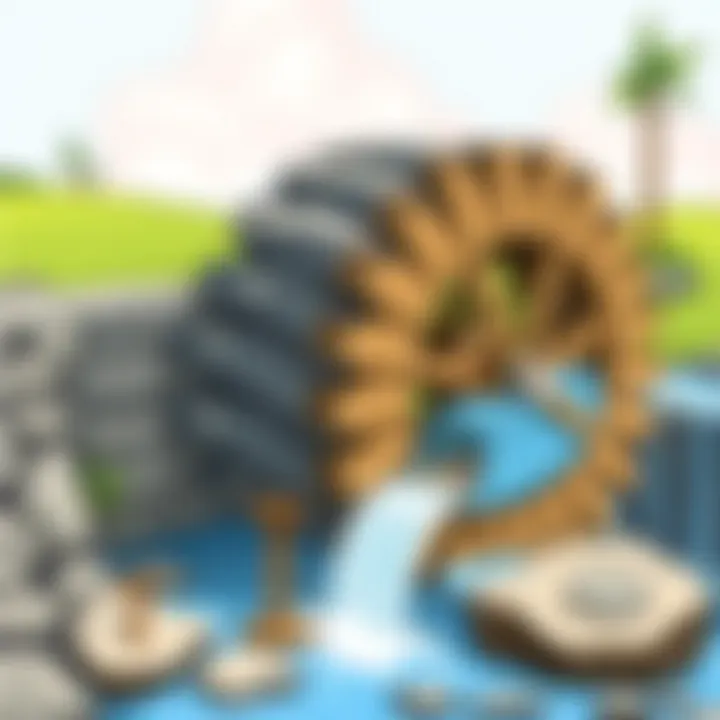
Creating a Water Wheel
Materials
When setting out to create a water wheel, one must consider selecting the right materials. Commonly used items such as plastic bottles, wood, or even cardboard can be excellent choices. A key characteristic of these materials is that they are accessible and relatively inexpensive. For instance, a plastic bottle is lightweight, enabling easy manipulation, while wood provides sturdiness.
Unique Features: Choosing lightweight materials allows children to experiment with water flow without heavy lifting, making the project approachable. However, they must ensure the chosen materials can withstand the water's weight and movement to avoid damage or malfunction. If used wisely, these common materials can turn an ordinary project into a remarkable one.
Construction Steps
Constructing a water wheel can be a step-by-step process that enhances the learning experience. The process generally involves gathering the materials, designing the wheel, and assembling it to ensure proper functionality. A beneficial aspect of these construction steps is that they allow children to engage in critical thinking — how to balance the wheel for optimum water flow.
Unique Features: These steps encourage artistic expression through design, giving young innovators a chance to personalize their water wheel. Yet, a challenge might arise regarding the wheel's size; if it’s too large, it could be difficult to manage, while a too small design might not capture enough water flow. Careful planning is essential.
Understanding Functionality
Once the water wheel is built, understanding how it works becomes crucial. A water wheel operates by harnessing the energy of flowing water that turns the wheel's blades, converting kinetic energy into mechanical energy. This knowledge is a key learning point as it illustrates the principles of energy conversion clearly.
Unique Features: Exploring functionality shows children firsthand how simple machines operate and the fundamental principles of physics. They may even note how efficiency can be altered by changing the wheel’s angle or design. However, a downside is that some basic understanding of physics is required, which could be a barrier for some learners.
Miniature Water Clean-Up System
Exploring Water Filtration
Creating a miniature water clean-up system introduces the concept of water filtration, which is a crucial aspect of environmental science. This activity highlights the importance of clean water and how various materials can help purify it. Some common filters can include sand, gravel, and activated charcoal.
The unique feature of exploring water filtration is that it not only teaches children about the science of filtering but also addresses real-world issues like pollution and water scarcity. However, there are considerations to be made about the effectiveness of various materials, and learning to select appropriate options can be a challenge for young innovators.
Building the Model
Building the model for the water clean-up system entails setting up a filtration device that mimics larger systems used in the field. This part of the project encourages creativity as children can decide how to construct their filtration model, whether it's through layering different types of materials or creating a unique shape.
The key characteristic here is that hands-on construction builds confidence in their skills. Innovations can arise, though it might take a few attempts to get the filtration just right, which could require patience and persistence.
Testing Effectiveness
The testing phase is where the excitement peaks. By running dirty water through their clean-up system, children can observe how effectively the water is filtered. This step is essential as it provides immediate, tangible results for their efforts.
Unique Features: Seeing the clarity of the water post-filtration reveals the importance of engineering solutions for pressing environmental concerns, empowering kids to think sustainably. However, they might face challenges in understanding variations in the filtration process, which requires explanation and may pose a slight learning curve.
"Understanding how to harness the power of water not only enriches our knowledge but cultivates a sense of responsibility toward our environment."
Hydropower projects are an essential component of renewable energy education. By diving into fun, hands-on activities, young innovators can develop crucial skills and a deeper understanding of environmental science.
Biomass Energy Projects
Biomass energy projects hold a significant role in educating young innovators about sustainable practices and the importance of waste management. Engaging in biomass-related activities allows children to perceive how organic materials can be transformed into usable energy. This hands-on approach helps to reinforce concepts of sustainability and environmental stewardship. Furthermore, with an increasing global focus on renewable resources, familiarizing kids with biomass can spark interest in innovative solutions that address energy needs and minimize waste.
Creating a Compost Heater
Understanding Biomass
Biomass refers to organic materials derived from plants and animals. When these materials decompose, they release heat energy, which can be harnessed for various uses. Understanding biomass is crucial as it teaches young innovators about the natural cycle of energy and nutrients. The significant feature of biomass is its availability; it's often just a matter of collecting waste from gardens or kitchens. For instance, leftover food, grass clippings, and dried leaves can all serve as raw materials for this project. One major advantage of utilizing biomass is the reduction of waste sent to landfills, which supports a cleaner environment.
Setting Up the Project
When setting up a compost heater project, essential materials include a well-balanced mix of green (nitrogen-rich) and brown (carbon-rich) organic materials. A benefit of this project is that it showcases how waste can be converted into energy. A unique feature of this project is the communal aspect; families can work together in building the heater, fostering teamwork. However, attention must be paid to the right ratio of materials to ensure effective decomposition. Too much nitrogen, for instance, can cause unpleasant odors, which is a drawback that requires monitoring.
Measuring Temperature Changes
Measuring temperature changes in a compost heater provides invaluable insights into the decomposition process. As young builders observe temperature fluctuations, they can better understand how energy is released during composting. The key characteristic of this measuring phase is to emphasize the thermal dynamics at play. It allows participants to witness firsthand how a simple array of organic materials transforms into heat. On the flip side, kids might find keeping track of temperatures challenging, especially over extended periods, but it reinforces learning about patience and observation in scientific experiments.
Biofuel Production Experiment
Exploring Basic Chemistry
In the realm of biomass projects, exploring basic chemistry becomes quite fascinating as children learn how organic materials can be converted into biofuels. Biofuels, derived from biomass, serve as an eco-friendly alternative to fossil fuels. This project’s brilliance lies in its ability to intertwine chemistry with environmental science. A primary advantage is that it empowers kids to realize that energy sources can be sustainable and not reliant on depleting the planet's resources. However, safety measures must be taken seriously, as some aspects of producing biofuel involve handling materials which require caution.
Step-by-Step Process
The step-by-step process of producing biofuel typically involves several stages, from gathering raw materials to extracting usable fuel. This structured approach highlights the importance of following instructions carefully. Kids learn to be meticulous in measuring and mixing components. A standout characteristic is that children can see their efforts materialize into something that actually has real-world applications, such as substituting for gasoline. However, the process can take time, so ensuring familiarity with the steps beforehand aids in understanding their actual progression.
Results and Observations
After completing the biofuel project, examining the results gives learners a chance to reflect on their work. Observations might include the amount of fuel produced and its effectiveness compared to commercial fuels. A noteworthy aspect of this is how it allows for discussions about efficiency and sustainability in energy production. Some might find the results disappointing initially, especially if the yield is less than expected. Yet this does not diminish the learning experience; instead, it facilitates a dialogue about trial and error, crucial in scientific exploration.
Engaging with biomass energy projects not only teaches children about renewable resources but also fosters a spirit of innovation and curiosity that can last a lifetime.
For more resources, you can check Wikipedia - Biomass or Britannica for detailed studies on biomass and biofuel.
Geothermal Energy Projects
Geothermal energy projects offer a unique opportunity to tap into the Earth's natural heat. This renewable energy source provides a hands-on learning experience for young innovators, showcasing how energy can be harnessed from below the surface. Understanding geothermal energy helps children appreciate the vast resources our planet holds and inspires them to consider sustainable energy solutions. These projects encourage critical thinking about energy efficiency and environmental practices, preparing the next generation for a more sustainable future.
Building a Simple Geothermal Model
Creating a geothermal model is a fascinating way for kids to explore how heat transfer works. It’s not just about playing with materials; it’s about grasping the science of energy that is all around us.
Materials List
To construct a simple geothermal model, you'll need:
- A large container (like a plastic tub)
- Soil or sand
- Water
- A thermometer
- A small heat source (such as sunlight)
- Optional: rocks or mini geothermal tubes for added complexity
This materials list is straightforward and accessible, making it easy for kids and their parents to gather supplies. Using common household items not only saves on costs but also encourages resourcefulness. The simplicity of these materials allows for constructive play, where students can immerse themselves in the world of geothermal energy without feeling overwhelmed by complicated tools.
Instructions for Assembly


- Prepare the Container: First, fill the container with soil or sand to create a base.
- Heat Source: If you're using sunshine, place the container in direct sunlight for a few hours.
- Insert Thermometer: Bury the thermometer just beneath the surface to measure the heat at different depths.
- Water Experimentation: Pour water onto the surface to observe how heat gets transferred through the soil.
Following these steps helps illustrate geothermal principles effectively. The assembly instructions are clear and logical, making it an appealing project for kids, fostering not only their understanding of geothermal concepts but also their skills in following procedures and troubleshooting as they experiment with their designs.
Understanding Heat Transfer
Heat transfer is the core principle behind geothermal energy. By observing how heat travels through the soil in the model, children can learn about conduction and convection.
This exploration is critical because it provides context for geothermal energy applications in the real world, such as heating homes or generating electricity. It's beneficial for students to see real examples and grasp the big picture of how geothermal systems function.
Exploring Thermal Conduction
Thermal conduction is the process where heat moves through materials. Seeing this in action can enrich a child's comprehension of energy dynamics.
Setting Up the Experiment
- Choose Materials: Gather metal rods and compare them alongside wooden sticks placed in the same heated environment.
- Heat Application: Use warm water or sunlight to heat one end of both materials.
- Measure Temperature Changes: Place thermometers at different intervals along the rods to monitor temperature changes.
This experiment provides tangible insights into thermal conduction. Setting it up necessitates some planning on the part of kids, encouraging their problem-solving skills in a practical context.
Discussion on Results
When results come in, kids can discuss what they observed regarding how fast or slow heat moved through each material. It’s a chance to explore why some materials were effective conductors while others were not. This process of discussion fosters critical thinking and communication skills, enhancing their learning experience significantly.
Real-World Applications
Understanding thermal conduction doesn't just stay in the lab. Young innovators can connect their findings to geothermal heating systems, making the science relatable and applicable. They can contemplate how geothermal technology can replace or reduce reliance on fossil fuels. This understanding urges them to think about the future and how they, as future innovators, can contribute to a more sustainable world.
Engaging with geothermal energy projects not only breeds curiosity but also encourages a sense of responsibility towards energy consumption.
Safety Guidelines for Projects
When embarking on Renewable Energy projects, safety is more than just a checklist; it’s the backbone that ensures a positive experience for young innovators. Whether it’s experimenting with solar ovens or building a wind turbine, understanding the importance of safety protocols keeps both the young scientists and their surroundings safe. Engaging in these projects opens a world of learning, but proper safety guidelines act as a roadmap, paving the way for successful experimentation.
Essential Safe Practices
Establishing solid safety practices is crucial. They provide a foundation for children to explore with confidence. Here are some essential measures:
- Wear Proper Gear: Encourage children to wear safety goggles when using tools or working with materials that could cause injury. Gloves might be necessary when dealing with chemicals or sharp objects.
- Keep Work Areas Clean: A tidy space helps prevent accidents. Teach young innovators to clean up after themselves, ensuring tools and materials are put away responsibly.
- Read Instructions Carefully: Each project comes with its own set of guidelines. Understanding these instructions is vital to ensure safety.
- Know Emergency Procedures: It’s always best to be prepared. Discuss with children what to do in case of an accident or emergency, be it a minor cut or a more serious situation.
- Use Tools Appropriately: Tools can be dangerous if misused. Show young innovators the right ways to handle equipment like scissors, or screwdrivers safely.
By instilling these practices, children learn to approach their projects with a sense of responsibility.
“Safety is not just a priority; it’s an attitude.”
Supervision During Experiments
Supervising children during any hands-on project is not just beneficial; it's essential. Having an adult present provides reassurance and guidance. Here’s why supervision matters:
- Immediate Assistance: Parents or caregivers can intervene if something goes wrong, be it fixing a problem or addressing an unexpected situation.
- Guiding Exploration: Supervision allows adults to guide discussions, prompting questions and encouraging curiosity while ensuring safety.
- Modeling Best Practices: By watching adults follow safety practices, children are more likely to adopt these behaviors themselves in future projects.
- Evaluating Risks: Adults can help evaluate the risks associated with different projects, offering alternatives that are more suitable for young innovators.
A good rule of thumb is toAlways assess the complexity of projects and the skills of the children involved.
Future of Renewable Energy Projects for Kids
Understanding the future of renewable energy projects for children holds significant weight in shaping a generation that has the potential to tackle environmental challenges. As the world faces increasing threats from climate change and resource depletion, instilling a sense of responsibility and creativity in the younger crowd becomes paramount. These projects do not just serve as educational tools; they ignite curiosity and passion about the energy that fuels our lives, pushing kids to think critically about solutions while gaining practical skills.
When kids engage in renewable energy projects, it's not just about following instructions to build something cool. It's a journey that encourages exploration, innovation, and a hands-on understanding of the principles behind renewable sources like solar, wind, and hydro power. Each experiment or project that a child undertakes serves as a building block, laying the foundation for more complex ideas as they grow older.
"The future is not something we inherit from our ancestors; it is something we build for our children" — this couldn't be more true in the context of renewable energy projects.
Encouraging Creativity and Innovation
Fostering creativity and innovation is crucial in today's rapidly changing world. Engaging in renewable energy projects allows children to step outside the box of traditional learning. They get to play engineer and scientist combined, experimenting with different ideas, designs, and approaches. For instance, when building a solar oven, they might decide to alter the materials used or tweak the design to maximize sun exposure. This hands-on experience encourages kids to ask questions:
- What if we tried using different reflective materials?
- Can we measure how much hotter it gets with a more efficient design?
Through such projects, there's an empowerment in problem-solving, encouraging kids to think critically and to view obstacles as opportunities for learning. It's this kind of mindset that will serve them far beyond their childhood—not just in terms of energy, but in tackling everyday challenges.
Long-Term Educational Benefits
The long-term educational benefits of engaging kids in renewable energy projects can't be overstated. First off, they become familiar with fundamental concepts in science, technology, engineering, and math (STEM). Over time, this exposure can lead to a greater interest in these fields, potentially guiding future career paths.
Moreover, understanding renewable energy ties into broader themes of sustainability and environmental stewardship. Youngsters who take part in these projects become more aware of their ecological footprint, fostering habits that help conserve resources.
- They learn about energy efficiency while using their own devices.
- They understand the necessity of reducing waste through recycling projects related to biomass energy.
In addition, these projects help in developing soft skills. Communication, teamwork, and project management skills get sharpened as kids collaborate with peers or family members during the creative process. Engaging in discussions about their projects fosters better articulation of their thoughts and ideas.
Finale
The exploration of renewable energy projects for young innovators plays a crucial role in nurturing scientific understanding and sustainable practices in the next generation. Through engaging in hands-on activities, children can develop a solid foundational knowledge of energy concepts while realizing the practical implications of these technologies. The benefits extend beyond just academic knowledge; participants also cultivate critical thinking skills and creativity, essential attributes for future innovators.
Recap of Key Takeaways
- Hands-On Learning: Engaging physically in projects sparks curiosity and enhances comprehension of complex concepts in energy generation and sustainability.
- Diverse Projects: A variety of projects covering solar, wind, hydropower, biomass, and geothermal energy ensures there’s something for every young mind, catering to different interests and creativity levels.
- Environmental Awareness: Participating in renewable energy projects helps instill a sense of responsibility toward the environment, teaching kids the importance of sustainability in their everyday lives.
- Team Collaboration: Many of these projects encourage teamwork, enabling young innovators to share ideas and learn from one another, thus developing essential social skills along the way.
Final Thoughts on Renewable Energy Education
Renewable energy education stands at the intersection of science and practical application. As climate change increasingly becomes a pressing issue, early exposure to sustainable practices is essential. Children who engage in these projects not only learn about energy sources but also learn about problem-solving and innovation in the face of real-world challenges.
By integrating renewable energy concepts into fun and impactful projects, parents and educators set the stage for informed, responsible citizens ready to tackle environmental challenges head-on. The energy landscape is changing, and with the right guidance, today’s young innovators can lead the way to a more sustainable future.
Engaging with renewable energy projects isn't just about learning; it’s about becoming part of the solution to our planet's most pressing issues.
For more information on solar, wind, hydropower, and other renewable energy sources, visit Wikipedia or Britannica. Explore community initiatives by checking Reddit for discussions on local projects and sustainability ideas. And take a dive into educational resources available on various academic websites and government portals such as *.edu and *.gov.